
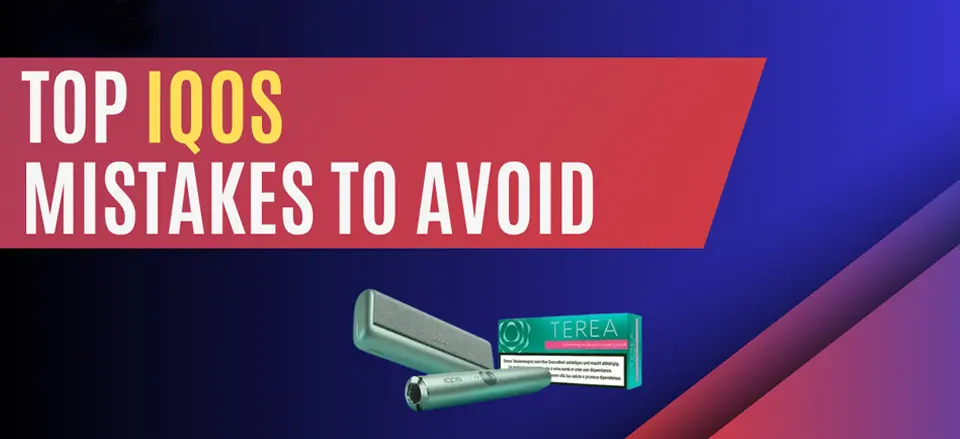
Common Mistakes New IQOS Users Make
For many adult users, switching to IQOS feels like a straightforward decision. However, the first experience does not always match expectations. In most cases, dissatisfaction comes not from the device itself, but from small mistakes made during the early stages of use.
As an educational platform focused on Heat-Not-Burn alternatives, heatedland aims to help new users understand these early challenges and avoid unnecessary frustration.
Why the First Weeks of Using IQOS Are Critical
The habits formed during the first weeks of using IQOS often define long-term perception. New users tend to rely on old smoking patterns, assuming the experience should feel identical to cigarettes.
Typical early assumptions include:
• expecting the same draw and immediacy,
• using the device without adapting rhythm,
• judging performance too quickly.
Without proper context, these assumptions can create confusion.
IQOS Follows a Different Logic Than Cigarettes
One of the most common beginner mistakes is treating IQOS exactly like a traditional cigarette. Heat-Not-Burn products work through controlled heating rather than combustion, which changes how sessions begin, progress, and end.
To better understand this difference, it helps to first review what Heat-Not-Burn smoking is and why IQOS requires a slightly different approach.
Expecting Immediate Familiarity
Another frequent issue is expecting full familiarity from the first session. When taste or sensation feels unfamiliar, users may assume something is wrong with the device.
In reality, IQOS sessions are more structured. The experience becomes more natural once users slow down and allow the device to operate as intended.
Early Taste Misinterpretation
During initial use, taste perception can be affected by:
• rushing the first puffs,
• inhaling too aggressively,
• evaluating flavor before the heating cycle stabilizes.
These behaviors often change naturally once users adjust their expectations.
Ignoring Basic Usage Principles
Some new users skip basic instructions, assuming they are unnecessary. While IQOS devices are intuitive, ignoring simple guidelines can lead to inconsistent performance.
Common mistakes include:
• starting before the device signals readiness,
• interrupting the heating cycle,
• handling the holder roughly during use.
These issues rarely cause immediate damage, but they can affect consistency.
Adjustment Is Part of the Process
Experiencing a learning curve is normal. Recognizing this early helps users remain patient and adapt more comfortably.
Preparing for Practical Corrections
Most beginner mistakes are easy to correct once they are identified. Awareness alone significantly improves the overall experience.
In the next part, we will focus on practical handling and maintenance errors and how small changes can make daily IQOS use more reliable.
Handling and Maintenance Mistakes New Users Often Make
After the initial adjustment phase, many beginner issues come down to how the device is handled and maintained. These mistakes are rarely serious, but they can quietly reduce comfort and consistency if they become habits.
Understanding what matters — and what does not — helps new users avoid unnecessary effort and confusion.
Overcomplicating Device Care
One of the most common beginner mistakes is assuming that IQOS requires constant attention. New users often clean the device too frequently or handle internal parts more than necessary.
This behavior usually comes from uncertainty rather than necessity. While maintenance is important, excessive cleaning can:
• interrupt normal usage rhythm,
• increase wear on components,
• create the impression that the device is fragile.
Choosing the right device from the start reduces this confusion. This is explained in how to choose your first IQOS device, where maintenance requirements vary by model.
When Maintenance Becomes a Distraction
When users focus too much on upkeep, they stop focusing on experience. Heat-Not-Burn devices are designed to support routine, not dominate it. Maintenance should feel occasional and predictable, not constant.
Misunderstanding Cleaning Requirements
Another frequent mistake is applying the same cleaning logic to all IQOS models. Older devices and newer generations behave differently, and treating them the same can lead to unnecessary effort.
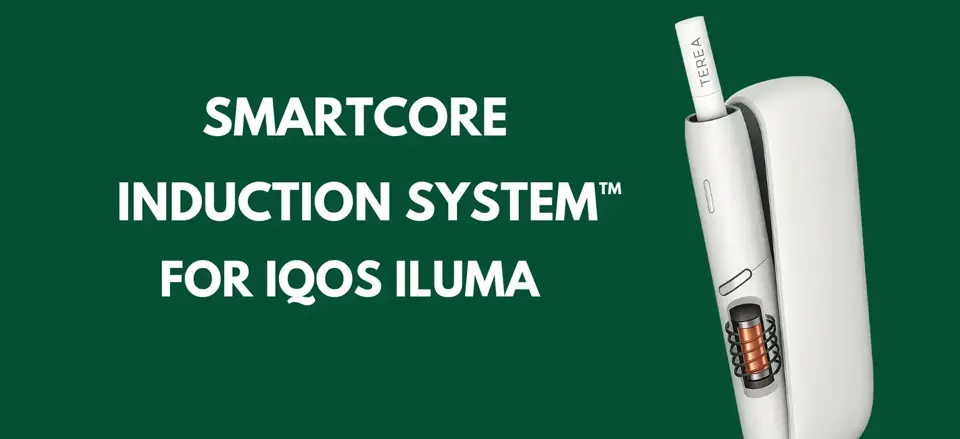
For example, newer systems are designed to minimize residue-related maintenance. This shift is explained in why IQOS ILUMA does not need cleaning, where the role of manual cleaning is significantly reduced.
Adapting Habits to the Device Generation
New users sometimes adopt cleaning routines from outdated advice or previous models. Aligning habits with the specific device generation prevents wasted effort and confusion.
Switching Too Quickly Between Products
Some new users frequently switch between cigarettes and IQOS during the adaptation phase. This can make it harder to adjust expectations and develop consistent habits.
Frequent switching often leads to:
• unclear taste perception,
• inconsistent satisfaction,
• confusion about personal preference.
Allowing time for a stable routine helps users better understand how IQOS fits into their lifestyle.
Patience as a Practical Skill
Patience plays a larger role than many expect. Small behavioral adjustments — slowing down, following session structure, and allowing familiarity to develop — often resolve early frustrations without changing the device or product.
Comparing Experience Instead of Fit
Another common mistake is focusing solely on how IQOS feels compared to cigarettes, rather than how it fits into daily life. Heat-Not-Burn products are designed around structured use, which appeals to some users more than others.
Understanding this difference helps users decide whether IQOS aligns with their habits rather than forcing the experience to match old patterns.
When Expectations Align, Satisfaction Follows
Users who align expectations with the device’s intended use often experience fewer issues. The device begins to feel predictable and intentional instead of unfamiliar.
Learning From Common Mistakes
Recognizing beginner mistakes is not about criticism. It is about shortening the learning curve. Most issues new users face are temporary and resolve naturally once habits adjust.
This adaptation process explains why many adult users eventually choose Heat-Not-Burn alternatives. The broader shift in behavior is explored in why many smokers choose Heat-Not-Burn alternatives, where routine and intention play a central role.
Conclusion — Turning Mistakes Into Familiarity
Mistakes are part of the learning process. For new IQOS users, the key is recognizing which frustrations are temporary and which require simple habit changes.
By adjusting expectations, allowing time for adaptation, and focusing on routine rather than comparison, users can move from uncertainty to confidence.
When this transition happens, IQOS no longer feels like a new device — it feels like a natural part of daily life.









Add comment
You must be logged in to post a comment.