
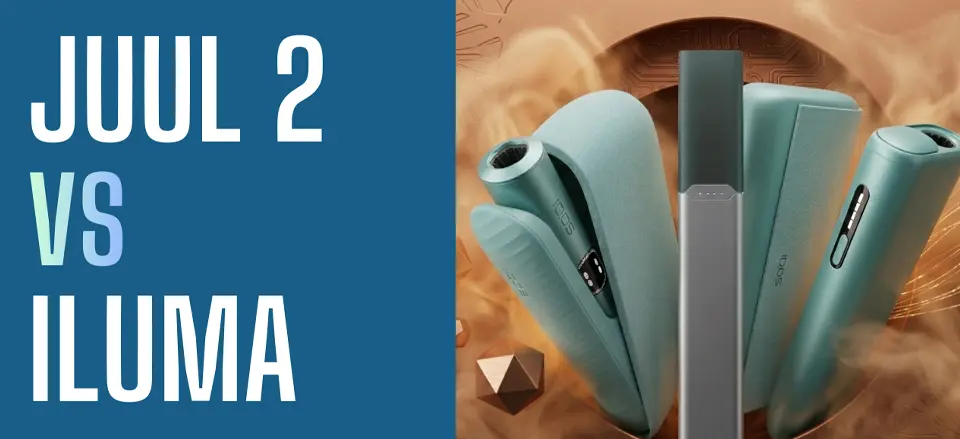
JUUL vs IQOS: Which Is Better in 2026?
The comparison between JUUL and IQOS represents one of the most important decisions in the modern nicotine landscape. Users are no longer limited to traditional cigarettes—they now choose between entirely different technologies that deliver nicotine in fundamentally different ways.
On platforms like heatedland, this comparison is not just theoretical. It reflects a real shift in user behavior, where convenience, experience, and long-term usability matter more than ever.
JUUL and IQOS are often grouped together as alternatives, but they are built on completely different concepts. JUUL is a vapor-based system using e-liquid, while IQOS is a heated tobacco system designed to replicate aspects of traditional smoking without combustion.
Understanding this difference is essential, because it defines how each product feels in real use, how it fits into daily routines, and which type of user it ultimately suits.
Quick Answer — JUUL vs IQOS
JUUL and IQOS differ in their core technology:
• JUUL → vaporizes e-liquid using nicotine salts
• IQOS → heats real tobacco without burning it
This leads to two completely different experiences.
JUUL is designed for simplicity and portability, delivering nicotine through a lightweight device with minimal setup. IQOS, on the other hand, focuses on a more structured experience, using tobacco sticks heated to a controlled temperature rather than burned.
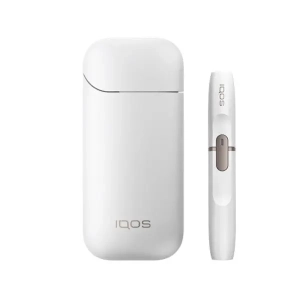
Devices like the JUUL starter kit highlight the simplicity of the vaping approach, while products such as IQOS Iluma Azure Blue represent the more advanced, system-based design of heated tobacco.
Who This Guide Is For
Users Choosing Between Systems
This guide is designed for users who:
• Are deciding between vaping and heated tobacco
• Want to understand real-world differences
• Are switching from cigarettes
• Care about long-term usability and experience
It is especially relevant for those who want to go beyond marketing and understand how these systems actually perform.
Core Technology — Vapor vs Heated Tobacco
How JUUL Works
JUUL operates by heating e-liquid to create vapor. This liquid contains nicotine salts, which are designed to deliver a smoother inhale compared to traditional nicotine formats.
The device is compact and requires minimal interaction. Users simply insert a pod and inhale, making it one of the simplest systems available.
How IQOS Works
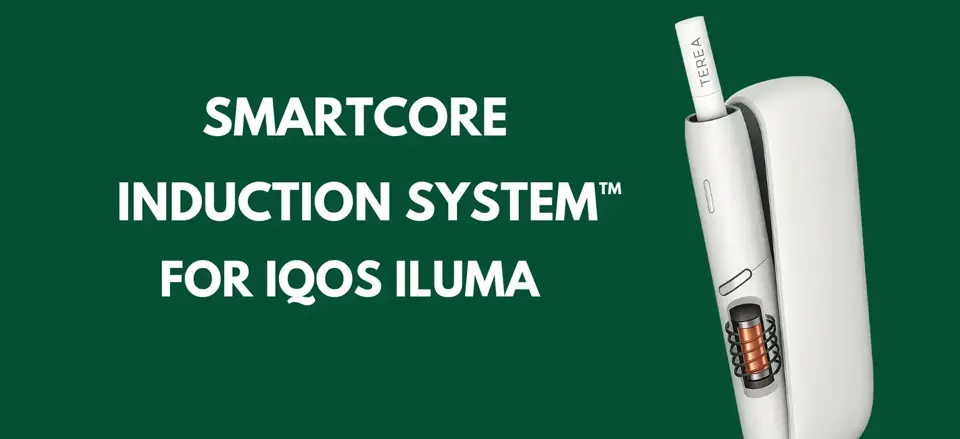
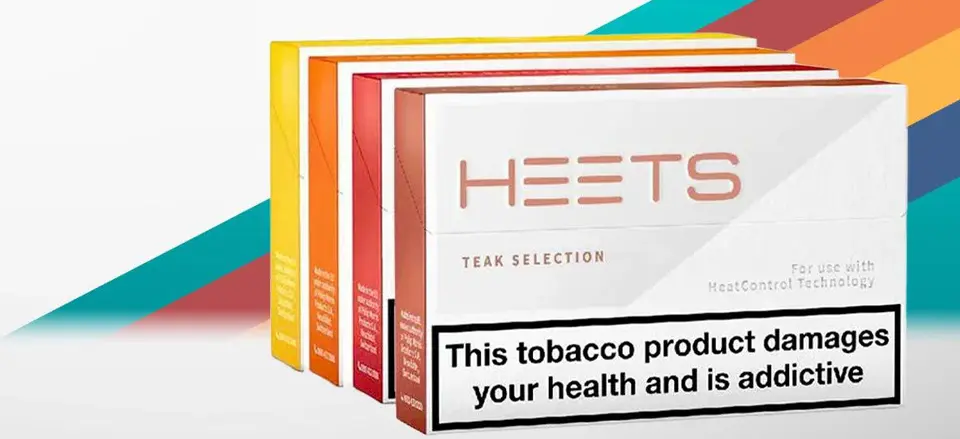
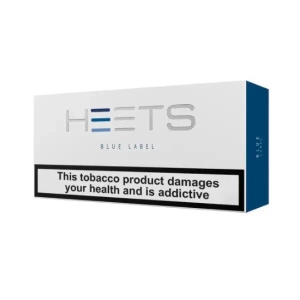
IQOS uses a completely different mechanism. Instead of liquid, it uses processed tobacco sticks that are heated to release nicotine-containing aerosol. This heating process avoids combustion, which changes both the taste and the overall experience.
This makes IQOS closer to traditional smoking in terms of ritual and sensation, while still operating as a non-combustible system.
Experience Difference — Simplicity vs Structure
JUUL — Instant and Minimal
JUUL is designed for immediate use. There are no buttons, no complex setup, and no maintenance beyond replacing pods. This simplicity is one of its strongest advantages.
The experience is:
• Fast
• Discreet
• Easy to integrate into any routine
IQOS — Controlled and System-Based
IQOS introduces more structure. Users must:
• Insert tobacco sticks
• Manage charging
• Maintain the device
While this adds complexity, it also provides more control. The experience feels more intentional and closer to traditional smoking.
Product Ecosystem
JUUL System
JUUL operates within a closed ecosystem of pods and devices.
Categories like JUUL pods and kits show how the system is designed to be simple and standardized.
IQOS System
IQOS is part of a broader heated tobacco ecosystem. It includes multiple device models and different types of tobacco sticks, creating a more complex but also more flexible system.
This difference in ecosystem design reflects the fundamental philosophy behind each product.
Market Context — How Users Choose
Modern Consumer Behavior
In 2025, users are not choosing randomly. They are comparing systems based on:
• Convenience
• Experience
• Long-term usability
This broader decision-making process is explained in detail in how US buyers navigate cigarettes, vapes, IQOS, and JUUL, where different user profiles and preferences shape the final choice.
Transition to Deeper Comparison
At this stage, the difference between JUUL and IQOS is clear at a structural level. One is built around simplicity and vapor, the other around control and heated tobacco.
In the next part, we will go deeper into real-world usage—how these systems perform daily, how users adapt to them, and what actually determines long-term satisfaction.
Session Experience — Vapor vs Heated Tobacco
JUUL Experience
JUUL delivers a light and smooth inhale through vapor. The sensation is consistent, but it differs significantly from traditional smoking. The absence of combustion changes how the experience feels.
The vapor is less dense, and the flavor profile is often more uniform. This makes the experience easier to manage, but it may feel less “structured” compared to other systems.
IQOS Experience
IQOS provides a more defined session. The inhale feels closer to traditional smoking, with a more noticeable presence and a clearer progression from start to finish.
This difference is one of the main reasons why users transitioning from cigarettes often prefer IQOS. The experience feels more familiar, even though the underlying technology is different.
For a deeper understanding of how heated tobacco systems behave in real conditions, resources such as IQOS in the USA explain how these devices are positioned and used within the market.
Frequency of Use and Behavior Patterns
JUUL — Flexible and Continuous
JUUL is often used in a more flexible way. Because it requires no setup, users can take short puffs throughout the day without interruption. This creates a continuous usage pattern rather than clearly defined sessions.
This flexibility is one of JUUL’s main advantages. It allows users to adapt their usage to different situations without needing to plan ahead.
IQOS — Session-Based Usage
IQOS encourages a different pattern. Each session is limited and structured, which creates natural breaks between uses. This can feel more controlled and intentional.
Users who prefer a defined routine often find this structure beneficial. It reduces randomness and makes usage more predictable.
For additional insight into how different systems compare in practice, discussions such as JUUL in the USA highlight how user behavior varies depending on the device.
Social and Environmental Factors
Visibility and Perception
JUUL and IQOS also differ in how they are perceived in social environments.
Transition to Final Decision
At this stage, the practical differences between JUUL and IQOS are clear. One emphasizes simplicity and flexibility, while the other focuses on structure and consistency.
In the final part, we will translate these differences into a clear decision framework, helping users determine which system fits their lifestyle and how to make a confident, long-term choice.
Long-Term Preference and Adaptation
How Preferences Evolve
Many users begin with one system and later explore the other. Initial choices are often based on curiosity or convenience, but long-term preferences are shaped by experience.
Over time, users tend to prioritize:
• Consistency
• Comfort
• Ease of integration into daily life
The system that meets these criteria becomes the preferred option.
Transition From Traditional Smoking
For users coming from traditional cigarettes, adaptation plays a significant role. IQOS often feels more familiar because it replicates aspects of the smoking experience, such as session structure and inhalation pattern.
JUUL, on the other hand, represents a more distinct shift. It replaces the traditional experience with a simplified and more flexible alternative.
This difference influences how quickly users adapt and which system they ultimately prefer.
Common Mistakes When Choosing
Focusing Only on Technology
One of the most common mistakes is choosing based solely on technology. While the differences between vapor and heated tobacco are important, they do not determine the entire experience.
A system that looks better on paper may not necessarily fit the user’s routine.
Ignoring Daily Habits
Another mistake is ignoring how the device will be used in real life. A product that does not align with daily habits will feel inconvenient, regardless of its features.
Understanding personal behavior is essential for making the right choice.
Expecting Identical Experiences
Some users expect JUUL and IQOS to deliver the same type of experience. In reality, they are fundamentally different. Each system offers its own advantages and limitations.
Recognizing these differences helps set realistic expectations and prevents disappointment.
Final Thoughts — Two Systems, Two Approaches
JUUL and IQOS represent two distinct approaches to nicotine consumption.
One focuses on simplicity and flexibility, while the other emphasizes structure and consistency.
Neither system is universally better. The value of each depends on how well it aligns with the user’s preferences and habits.
The Key Takeaway
The best choice is the one that fits naturally into the user’s lifestyle. When the system aligns with daily behavior, the experience becomes more intuitive and more satisfying.












Add comment
You must be logged in to post a comment.