
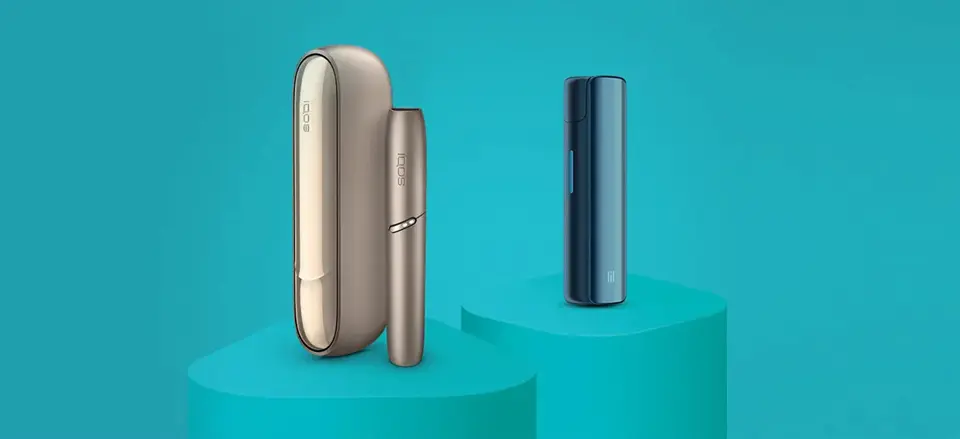
How to Choose Your First IQOS Device
Choosing your first IQOS device is one of the most important decisions a new user makes. Many beginners focus on surface details such as design, color, or what seems most popular online. In reality, those factors have very little impact on how satisfying the experience will be.
IQOS is not a single device but a family of heat-not-burn products built on different technologies. Understanding a few key principles is far more important than memorizing model names or following trends.
This guide is designed to help you make a confident, informed choice — without overcomplicating the process.
Why your first IQOS device matters so much
The first IQOS device shapes your entire perception of heat-not-burn technology.
A poorly chosen first device often leads to:
• unnecessary frustration
• incorrect usage habits
• disappointment that has nothing to do with IQOS itself
On the other hand, a well-matched device allows new users to understand the advantages of heat-not-burn from the very beginning.
Before comparing models, it helps to clearly understand what heat-not-burn smoking isand how it differs from traditional cigarettes and vaping.
The most common beginner mistake: starting with the wrong criteria
Many first-time buyers choose an IQOS device based on:
• appearance or color
• what friends are using
• what is “new” or heavily advertised
These criteria are misleading. Two devices may look similar but behave very differently in terms of:
• maintenance requirements
• learning curve
• long-term consistency
A better approach is to focus on how the device works, not how it looks.
The key question every beginner should ask
Before choosing a specific model, ask yourself one simple question:
Do I want the simplest, lowest-maintenance experience possible, or am I comfortable learning basic device care?
This question immediately narrows your options and prevents most beginner mistakes.
To answer it properly, you need a basic understanding of how heat-not-burn devices workand how different IQOS technologies affect daily use.
Blade-based IQOS vs blade-free IQOS: the fundamental difference
IQOS devices fall into two main categories based on their heating technology.
Blade-based IQOS devices
Older IQOS models use a heating blade that enters the tobacco stick and heats it from the inside.
Key characteristics:
• require regular manual cleaning
• performance depends on blade condition
• learning curve is slightly steeper
• long-term consistency depends on maintenance
These devices are still reliable, but they require more user involvement. They are typically found within the broader IQOS devices category and are suitable for users who don’t mind basic upkeep.
Blade-free IQOS devices (ILUMA)
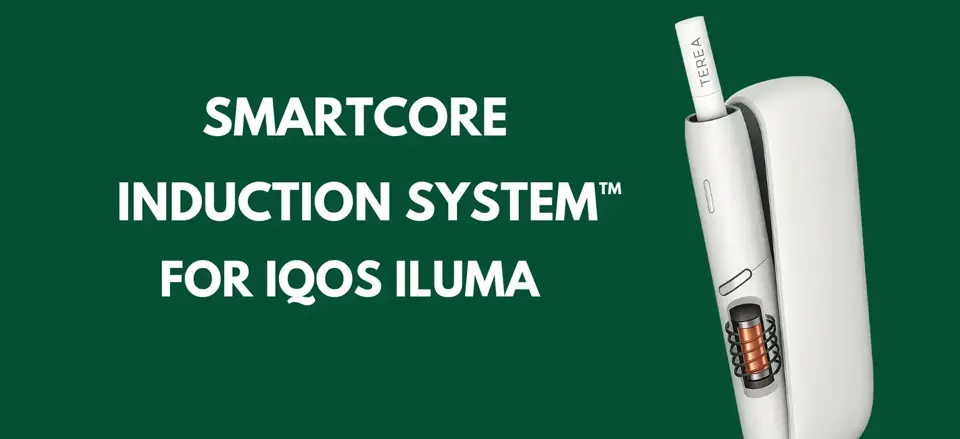
Newer IQOS devices, such as ILUMA, use induction heating and do not contain a blade at all.
Key characteristics:
• no manual cleaning required
• consistent performance over time
• easier for beginners
• reduced risk of user error
For many first-time users, blade-free devices provide a smoother introduction to IQOS. These models are available in the IQOS ILUMA category.
The differences between these generations are explained in more detail in IQOS ILUMA vs older IQOS models, but the core takeaway is simple: less maintenance means fewer beginner mistakes.
Why simplicity matters for your first device
Beginners often underestimate how much early experience shapes long-term satisfaction.
Devices that require less maintenance:
• reduce early frustration
• make it easier to focus on usage technique
• allow faster adaptation
This is why many new users benefit from starting with simpler systems rather than older, more demanding models.
Where to look once you understand the basics
After identifying which category fits your preferences, browsing the full IQOS devices category becomes much easier. Instead of comparing everything at once, you can focus only on the models that align with your needs.
At this stage, the choice becomes logical rather than overwhelming.
Part 2 — Practical Criteria for Choosing Your First IQOS Device
In Part 1, we explained why heating technology and maintenance level are the foundation of choosing your first IQOS device. In this section, we move from general principles to practical, everyday criteria that actually affect how comfortable your first weeks and months with IQOS will be.
These factors often matter more than model names or release dates.
Maintenance tolerance: how much effort are you willing to invest?
Maintenance is the single biggest dividing line between IQOS devices.
For beginners, underestimating maintenance needs often leads to frustration. Devices that require cleaning demand consistency and attention. Missing cleaning sessions can result in:
• muted flavor
• uneven heating
• unpleasant odor
• inconsistent performance
If you prefer a “pick up and use” experience with minimal involvement, lower-maintenance devices reduce early friction. Users who enjoy a bit more control and don’t mind routine care may be comfortable with more traditional systems.
Understanding your own tolerance for upkeep is more important than any specification.
Daily usage habits: how often will you use the device?
Your daily usage pattern plays a critical role in device satisfaction.
Consider:
• how many sessions you expect per day
• whether you use IQOS indoors or outdoors
• if you prefer short breaks or longer sessions
Frequent users benefit from devices that maintain consistent performance across multiple sessions without needing attention in between. Occasional users may not notice small variations as much.
Choosing a device aligned with your actual routine prevents disappointment later.
Portability and form factor: where and how you’ll use it
Not all IQOS devices are designed with the same usage environment in mind.
Some users value:
• compact size
• easy pocketability
• discreet use on the go
Others prioritize:
• comfortable grip
• stability on a desk
• home-based usage
Your environment matters. A device that feels perfect at home may feel inconvenient when traveling or commuting. Beginners often overlook this and only realize it after weeks of use.
Battery behavior: consistency over raw numbers
Battery capacity is often misunderstood.
Instead of focusing solely on advertised battery size, beginners should consider:
• how consistently the device performs as the battery drains
• how long it takes to recharge
• whether quick top-ups fit their routine
A device that delivers stable sessions throughout the day is often more satisfying than one with higher theoretical capacity but inconsistent output.
Learning curve: how quickly you want to feel comfortable
Some devices require users to learn:
• correct insertion technique
• cleaning routines
• warm-up timing awareness
Others minimize these learning steps.
For a first device, a shorter learning curve often leads to:
• faster adaptation
• fewer usage mistakes
• higher early satisfaction
This does not mean simpler devices are “better” in absolute terms — only that they are more forgiving for beginners.
Future-proofing your choice
Many beginners worry about choosing the “wrong” device and being stuck with it.
A better mindset is to view the first IQOS device as a starting point, not a final destination. Choosing a device that:
• matches your current habits
• minimizes early frustration
• allows smooth adaptation
creates a better foundation for future upgrades, if desired.
Avoiding comparison overload
One of the biggest mistakes beginners make is comparing too many models at once.
This often leads to:
• analysis paralysis
• decision fatigue
• reliance on irrelevant opinions
Once you understand your maintenance preference, usage habits, and portability needs, the number of suitable options becomes much smaller — and the decision becomes clearer.
Focusing on comfort over comparison
Comparison-driven choices often create anxiety and dissatisfaction.
Instead of asking:
• “Which device is the best?”
Ask:
• “Which device will feel easiest to live with every day?”
Comfort, predictability, and low friction almost always outperform feature-heavy comparisons for beginners.
Avoiding overthinking and trusting the process
New users often overthink their first choice, consuming too many opinions and reviews.
A simpler approach works better:
• understand the technology category
• assess your habits honestly
• choose a device aligned with those habits
Once the choice is made, consistency matters more than constant reevaluation.
Final conclusion — how to choose your first IQOS device
Choosing your first IQOS device is about clarity, not perfection.
The right first device:
• minimizes early frustration
• fits naturally into your routine
• allows you to focus on learning the system
When expectations, habits, and technology align, the experience becomes intuitive rather than complicated.
Your first IQOS device should make heat-not-burn feel approachable, not demanding.












Add comment
You must be logged in to post a comment.