
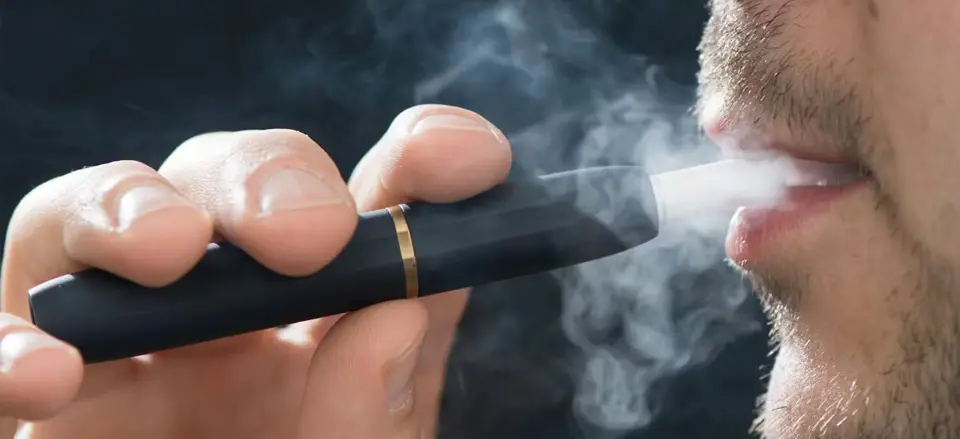
What Is Heat-Not-Burn Smoking?
Over the last decade, alternatives to traditional cigarettes have evolved rapidly. Among them, heat-not-burn (HNB) smoking has become one of the most discussed technologies worldwide. For many adult smokers, it represents a balance: closer to smoking than vaping, yet fundamentally different from burning tobacco.
Heat-not-burn products are designed to heat real tobacco instead of burning it, producing a tobacco aerosol rather than smoke. This single difference changes the entire experience — from taste and smell to daily routine and maintenance.
Understanding what heat-not-burn really is (and what it is not) is the first step toward understanding why so many smokers are switching.
What Does “Heat-Not-Burn” Actually Mean?
Heat-not-burn refers to a controlled tobacco-heating process that operates below the point of combustion. Traditional cigarettes burn tobacco at very high temperatures, creating smoke, ash, and the familiar smell of burning paper. Heat-not-burn devices avoid this by design.
In practice, this means:
• tobacco is heated, not burned
• nicotine and flavor are released without combustion
• ash is eliminated
Because there is no burning, heat-not-burn products are often described as smoke-free, even though they still use real tobacco.
How Heat-Not-Burn Differs from Traditional Smoking
Combustion vs Controlled Heating
The defining difference is combustion. Cigarettes burn tobacco, while heat-not-burn systems carefully heat it.
Simply put:
• Cigarettes = burn tobacco
• Heat-not-burn = heat tobacco
This distinction explains why many smokers notice immediate differences when switching — from reduced lingering odor to a cleaner overall routine.
The Smoking Experience
Many adult smokers describe heat-not-burn as familiar, but cleaner. The ritual of use feels recognizable, yet without ashtrays, lighters, or constant smoke.
Key differences often noticed:
• no ash
• reduced smell on clothes
• no need to light a cigarette
For smokers who value routine, this familiarity plays a major role in adoption.
What Products Are Used in Heat-Not-Burn Systems?
Devices
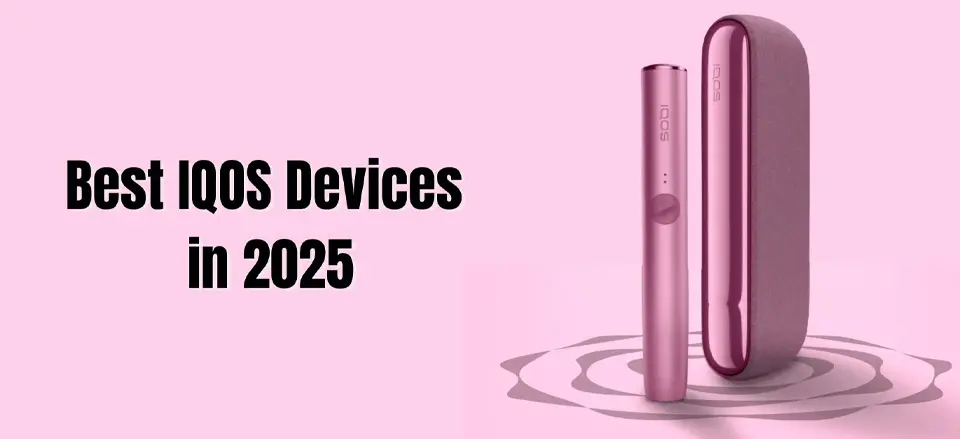
Heat-not-burn relies on electronic devices that control temperature with high precision. One of the most widely recognized ecosystems is built around IQOS devices, which are engineered specifically to heat tobacco without combustion.
These devices are not interchangeable with cigarettes or e-liquids — they are purpose-built for heat-not-burn technology.
Heated Tobacco Sticks (Heatsticks)
Instead of cigarettes, heat-not-burn systems use specially designed tobacco heatsticks that are optimized for heating rather than burning.
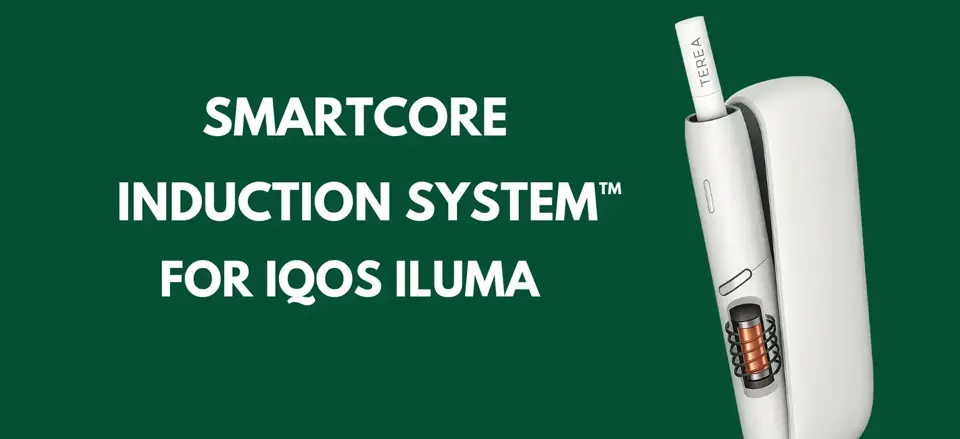
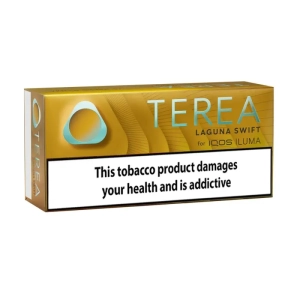
Among the most popular options are HEETS heatsticksand the newer TEREA sticks for IQOS ILUMA, developed for the latest generation of devices.
Heatsticks determine:
• flavor intensity
• draw resistance
• overall consistency
Why Real Tobacco Matters to Smokers
One of the strongest reasons smokers choose heat-not-burn is the use of real tobacco leaves rather than liquids. Unlike vaping, heat-not-burn preserves the natural tobacco profile.
For many smokers, this matters because:
• the taste feels more authentic
• nicotine delivery feels familiar
• switching feels less disruptive
This is often why smokers who dislike vaping still feel comfortable with heat-not-burn systems.
Heat-Not-Burn vs Vaping: A Common Misunderstanding
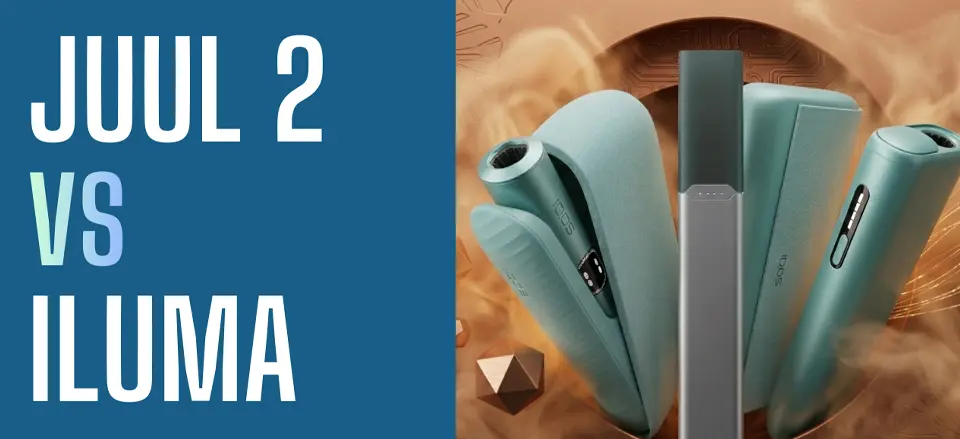
Heat-not-burn and vaping are often mentioned together, but they are fundamentally different.
Key distinctions:
• heat-not-burn heats real tobacco
• vaping uses nicotine liquids
• HNB produces a tobacco aerosol
• vaping produces flavored vapor
This difference explains why heat-not-burn appeals primarily to smokers who want to stay close to the traditional tobacco experience.
Why Heat-Not-Burn Has Gained Global Attention
The rapid global expansion of heat-not-burn products is driven by several factors:
• demand for smoke-free alternatives
• advances in heating technology
• changing habits among adult smokers
Those who want to explore the technical side in more depth often continue with a detailed explanation of how heat-not-burn devices work.
Who Is Heat-Not-Burn Designed For?
Heat-not-burn products are intended exclusively for adult smokers. They are designed for people who already use tobacco or nicotine products and are looking for alternatives.
They are not intended for non-smokers or minors, a principle consistently stated by reputable manufacturers and distributors.
Devices with heating blades come into direct contact with tobacco residue, which naturally builds up over time. Induction-based systems avoid this contact, significantly reducing residue and maintenance.
This difference has played a major role in shaping user preferences and product development in recent years.
Is Heat-Not-Burn Technology Still Developing?
Absolutely. Heat-not-burn technology continues to evolve as manufacturers refine:
• heating efficiency
• device durability
• user experience
• consistency across sessions
Rather than being a finished concept, heat-not-burn should be seen as an active technology category — one that continues to adapt to user feedback and technological progress.
Why Understanding the Technology Matters
For many smokers, switching is not just about taste or convenience. It is about confidence. Understanding how heat-not-burn works helps users:
• set realistic expectations
• use devices correctly
• choose systems that fit their lifestyle
This knowledge reduces frustration during the transition period and leads to a more satisfying long-term experience.
How Heat-Not-Burn Technology Actually Works
To truly understand why heat-not-burn feels different from both cigarettes and vaping, it helps to look at what happens inside the device. While the user experience may seem simple, the technology behind modern HNB systems is surprisingly sophisticated.
At a basic level, heat-not-burn devices are engineered to maintain a stable, controlled temperature that is high enough to release nicotine and flavor, but low enough to avoid combustion. This balance is the core of the entire system.
Temperature Control and Precision Heating
Unlike cigarettes, which burn uncontrollably once lit, heat-not-burn devices rely on microprocessors and sensors to regulate heat in real time. This ensures that each session delivers a consistent experience.
Key elements include:
• temperature sensors that prevent overheating
• automatic shut-off mechanisms
• optimized airflow channels
Because the tobacco is never burned, the device avoids many of the by-products associated with combustion.
From Blade Heating to Induction Systems
Early generations of heat-not-burn devices used heating blades inserted directly into the tobacco stick. While effective, this approach required regular cleaning and maintenance.
Newer systems introduced induction heating, where the tobacco is warmed without direct contact. This innovation improved consistency and reduced the need for cleaning, making daily use simpler and more reliable.
Many users who are curious about the deeper engineering behind this process explore how heat-not-burn devices work at a technical level to better understand the science behind the experience.
Why Heat-Not-Burn Devices Do Not Produce Smoke
Smoke is a direct result of combustion. Since heat-not-burn devices do not burn tobacco, what they produce is not smoke but an aerosol.
This aerosol:
• contains nicotine and flavor compounds
• lacks ash particles
• dissipates faster than cigarette smoke
This distinction explains why many users notice:
• less lingering odor
• reduced impact on indoor environments
• a cleaner feel overall
It also explains why heat-not-burn products are often categorized separately from both cigarettes and e-cigarettes.
The Role of Heated Tobacco Sticks in Performance
While devices often get the most attention, the tobacco sticks themselves are just as important. Heatsticks are carefully engineered to work within a narrow temperature range.
Their design controls:
• how air flows through the stick
• how evenly tobacco is heated
• how flavor compounds are released
Because of this precision, heat-not-burn systems cannot use regular cigarettes. Each stick is part of a closed ecosystem, designed specifically for its corresponding device.
How Heat-Not-Burn Technology Has Evolved Over Time
Heat-not-burn is not a sudden invention. It is the result of decades of research and gradual refinement. Early experiments with heated tobacco date back many years, but only recent advances in electronics made modern systems possible.
A detailed overview of the history and evolution of heat-not-burn technology shows how the category progressed from early prototypes to today’s refined devices.
This evolution includes:
• improved battery efficiency
• smarter temperature regulation
• safer and more durable materials
• better flavor consistency
Each generation addressed limitations of the previous one, leading to the systems widely used today.








Add comment
You must be logged in to post a comment.