
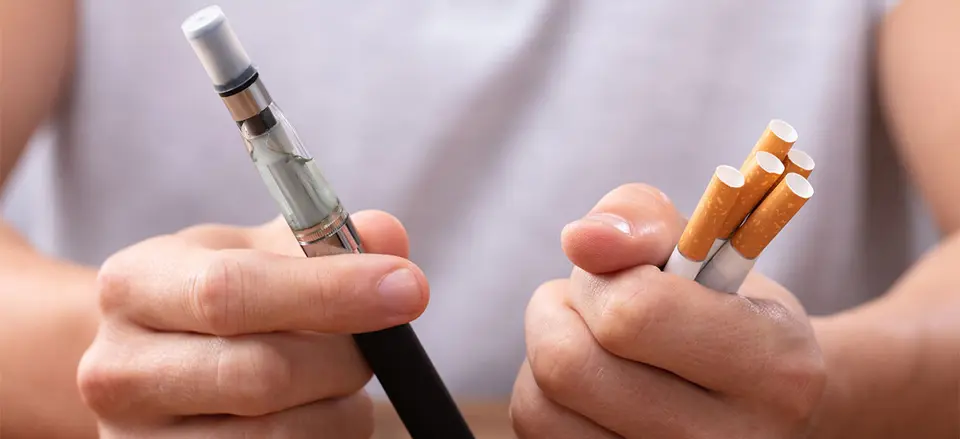
Is Heat-Not-Burn Safer Than Cigarettes and Vapes?
As traditional cigarette smoking continues to decline, many adult smokers are actively searching for alternatives that may reduce exposure to harmful substances. Among the most discussed options today are heat-not-burn devices, which are often presented as a middle ground between smoking and vaping. On platforms focused on heat-not-burn alternatives for adult smokers, these products are positioned as technologically advanced, but the core question remains: is heat-not-burn actually safer than cigarettes and vapes?
Answering this question requires precision. “Safer” does not mean harmless, and no nicotine product can be considered risk-free. Instead, regulators and scientists evaluate safety through comparative risk, exposure levels, and the presence or absence of combustion. Understanding these factors is essential before making meaningful comparisons.
Why Combustion Matters When Comparing Smoking Alternatives
The primary difference between cigarettes and heat-not-burn products lies in the presence of combustion. Traditional cigarettes burn tobacco at extremely high temperatures, producing smoke that contains thousands of chemicals, many of which are known to be toxic or carcinogenic.
The evolution of heat-not-burn technology shows that these devices were designed specifically to avoid combustion altogether. Instead of burning tobacco, they heat it to a controlled temperature that releases nicotine-containing aerosol without creating smoke.
This distinction is critical. Combustion is responsible for generating tar, carbon monoxide, and a wide range of harmful byproducts. By eliminating burning, heat-not-burn devices aim to significantly reduce the formation of these substances, which is why they are often evaluated separately from cigarettes.
How Heat-Not-Burn Devices Generate Aerosol Instead of Smoke
From an engineering perspective, heat-not-burn systems rely on precisely regulated heating elements, airflow channels, and specially designed tobacco sticks. These components work together to produce an aerosol rather than smoke.
A closer look at how heat-not-burn devices actually work reveals that the operating temperatures are carefully calibrated. The goal is to release nicotine and flavor compounds while minimizing thermal decomposition of tobacco material.
This lower-temperature process generally results in reduced levels of combustion-related toxicants compared to cigarette smoke. However, reduced exposure does not imply elimination of risk. Nicotine dependence and exposure to other substances remain important considerations.
Regulatory Views on Reduced-Risk Claims for Heat-Not-Burn Products
Because claims about reduced harm can easily mislead consumers, heat-not-burn products are subject to strict regulatory oversight. In the United States, any product claiming lower risk compared to cigarettes must undergo formal scientific evaluation.
According to the U.S. Food and Drug Administration (FDA), certain heated tobacco products have been reviewed under the Modified Risk Tobacco Product (MRTP) framework. This process assesses whether available evidence supports claims of reduced exposure to harmful chemicals when compared to combustible cigarettes.
Regulatory approaches differ globally.
In some regions, heat-not-burn products are regulated similarly to cigarettes, while in others they are treated as a distinct category due to the absence of combustion. A broader overview of how heat-not-burn products are regulated worldwide (https://heatedland.com/global-hnb-regulations-2025-usa-eu-asia-comparison/) highlights why legal and regulatory context plays a crucial role in discussions about safety.
Comparing Heat-Not-Burn With Traditional Cigarettes
When discussing whether heat-not-burn products may present a lower risk than cigarettes, it is essential to focus on what actually changes in exposure, not marketing language. Traditional cigarettes rely on combustion, a process that fundamentally alters tobacco and produces smoke rich in toxic and carcinogenic substances.
Cigarette smoke contains thousands of chemicals, many of which are formed only because tobacco is burned. Tar, carbon monoxide, and numerous volatile organic compounds are direct byproducts of combustion. Long-term exposure to these substances is strongly associated with well-documented health risks.
Heat-not-burn products, by contrast, are designed to avoid this combustion process. By heating tobacco to lower temperatures, they aim to reduce the formation of many harmful byproducts commonly found in cigarette smoke. From a comparative standpoint, this difference in mechanism is the primary reason heat-not-burn devices are often evaluated separately from cigarettes.
Exposure Reduction Versus Risk Elimination
A critical distinction must be made between reduced exposure and risk elimination. Heat-not-burn devices may lower exposure to certain harmful chemicals compared to cigarettes, but this does not mean they eliminate health risks entirely.
Nicotine remains present, and nicotine itself is addictive. In addition, heat-not-burn aerosols still contain various substances that may have biological effects. The reduction of some toxicants does not automatically translate into long-term safety, especially given the relatively recent introduction of many heat-not-burn systems.
This nuance is often misunderstood. Scientific and regulatory discussions tend to focus on relative comparisons rather than absolute safety. In other words, the question is not whether heat-not-burn products are safe, but whether they may be less harmful than continued smoking for adult smokers who would otherwise keep using cigarettes.
Behavioral Patterns and Real-World Use
Another factor influencing comparative risk is how products are actually used in real life. Smoking behavior, frequency of use, and dual use all affect overall exposure. Some adult smokers may switch completely to heat-not-burn products, while others may continue using cigarettes alongside them.
Dual use can significantly reduce the potential benefits of switching. If a person continues smoking cigarettes while also using heat-not-burn products, exposure to combustion-related toxins remains substantial. From a public health perspective, complete substitution plays a crucial role in determining any potential reduction in harm.
Heat-Not-Burn Versus Vaping Devices
Comparisons between heat-not-burn products and vaping devices introduce a different set of variables. Unlike heat-not-burn systems, most vapes do not contain tobacco at all. Instead, they heat a liquid solution that typically includes nicotine, flavorings, and other components.
This fundamental difference means that exposure profiles between vaping and heat-not-burn products are not directly comparable. Vaping eliminates tobacco entirely, while heat-not-burn products still rely on processed tobacco material.
Aerosol Composition and Chemical Profiles
The aerosol produced by vaping devices differs significantly from both cigarette smoke and heat-not-burn aerosol. Vaping aerosols generally contain fewer combustion-related toxicants, but they may include other substances formed through the heating of liquid ingredients.
Heat-not-burn aerosols, on the other hand, reflect the chemical characteristics of heated tobacco. This results in a different mix of compounds, some of which are also found in cigarette smoke, though often at lower levels. Understanding these differences is essential when comparing potential risks across product categories.
Uncertainty and Long-Term Data Limitations
One of the biggest challenges in evaluating all nicotine alternatives is the lack of long-term epidemiological data. Heat-not-burn products and modern vaping devices have not been in widespread use for several decades, which limits conclusions about long-term outcomes.
As a result, many assessments rely on laboratory measurements, short-term clinical studies, and exposure modeling. While these approaches provide valuable insights, they cannot fully replace long-term population data. This uncertainty reinforces the importance of cautious interpretation when discussing relative safety.
What “Safer” Really Means in a Scientific and Regulatory Context
One of the most common misunderstandings in discussions about heat-not-burn products is the interpretation of the word “safer.” In scientific and regulatory language, safety is rarely absolute. Instead, assessments focus on relative risk and comparative exposure.
Heat-not-burn products are evaluated in comparison to continued cigarette smoking, not against a baseline of no nicotine use. From this perspective, many analyses examine whether switching from cigarettes to non-combustible alternatives may reduce exposure to certain harmful substances. This does not imply that such products are safe for non-smokers or recommended for people who do not already use nicotine.
Adult Smokers Versus Non-Smokers
Regulatory discussions consistently emphasize that comparisons between cigarettes, heat-not-burn products, and vaping devices are relevant only for adult smokers. For individuals who do not smoke, initiating use of any nicotine product introduces unnecessary risk.
For adult smokers who would otherwise continue smoking, harm-reduction strategies focus on substitution rather than initiation. In this context, heat-not-burn products are often discussed as potential alternatives rather than lifestyle products or wellness tools.
The Importance of Complete Switching
Evidence and regulatory guidance consistently highlight one key condition: complete switching matters. Any potential reduction in exposure depends heavily on whether an individual fully replaces cigarettes with a non-combustible alternative.
Partial switching or dual use significantly reduces the potential benefit. Continued cigarette smoking maintains exposure to combustion-related toxicants, which undermines the purpose of switching in the first place. From a risk perspective, behavior plays as important a role as product design.
Why There Is No Simple Answer to the Safety Question
Comparing heat-not-burn products, cigarettes, and vapes involves multiple layers of uncertainty. Each product category differs in design, chemistry, patterns of use, and regulatory oversight. Additionally, individual behavior, frequency of use, and duration all influence outcomes.
While heat-not-burn devices avoid combustion and may reduce exposure to certain harmful chemicals compared to cigarettes, they still deliver nicotine and other substances. Vaping devices eliminate tobacco but introduce different exposure pathways. Cigarettes remain the highest-risk category due to combustion, but comparisons beyond that require careful nuance.
Ongoing Research and Evolving Evidence
Scientific understanding of nicotine alternatives continues to evolve. As more long-term data becomes available, assessments may change. Regulatory frameworks are designed to adapt to new evidence, which is why approvals, restrictions, and guidance can differ over time and across regions.
This evolving landscape makes it essential for consumers and policymakers alike to rely on up-to-date, evidence-based information rather than assumptions or marketing claims.
Final Perspective
Heat-not-burn products are neither harmless nor equivalent to cigarettes or vaping devices. They represent a distinct category designed to reduce exposure to combustion-related toxicants. For adult smokers who would otherwise continue smoking, they may offer a different risk profile, particularly when used as a complete substitute rather than alongside cigarettes.
Ultimately, the question of whether heat-not-burn is “safer” depends on how safety is defined, who is using the product, and whether switching is complete. Understanding these distinctions is essential for making informed decisions in an increasingly complex nicotine landscape.















Add comment
You must be logged in to post a comment.