
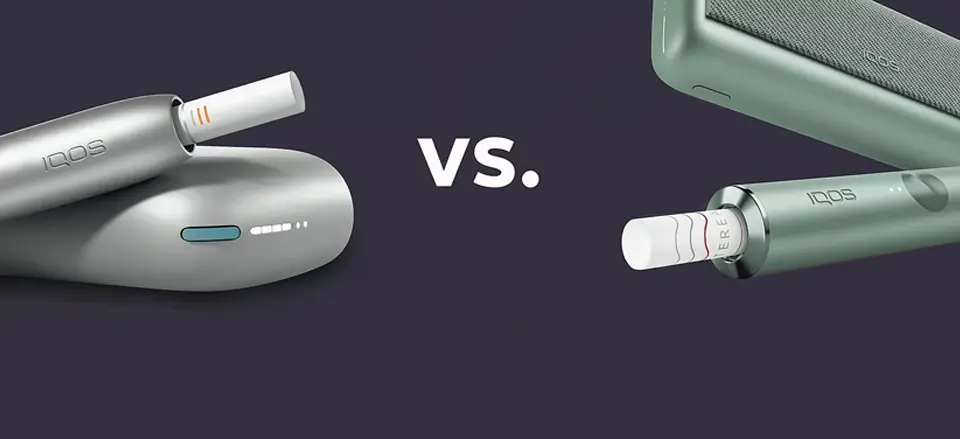
IQOS ILUMA vs Older IQOS Models — What Really Changed
With every new generation of IQOS devices, users ask the same question: is this a real upgrade or just a cosmetic update?
IQOS ILUMA represents one of the most discussed shifts in the IQOS lineup, but understanding what actually changed requires looking beyond marketing claims.
This comparison focuses on practical differences that affect daily use, rather than specifications alone.
Why Comparing IQOS Generations Matters
Many adult users already own or have experience with earlier IQOS models. When a new device appears, the decision to upgrade depends on whether it improves routine, comfort, and reliability.
Understanding generational differences helps users:
• avoid unnecessary upgrades,
• choose devices that match their habits,
• set realistic expectations before switching.
For readers new to the technology, it may help to first understand what Heat-Not-Burn smoking is and how IQOS fits into that system.
Evolution, Not Reinvention
IQOS devices evolve gradually. Each generation refines specific aspects of use rather than redefining the experience entirely. ILUMA follows this pattern but introduces changes that affect everyday interaction more noticeably than previous updates.
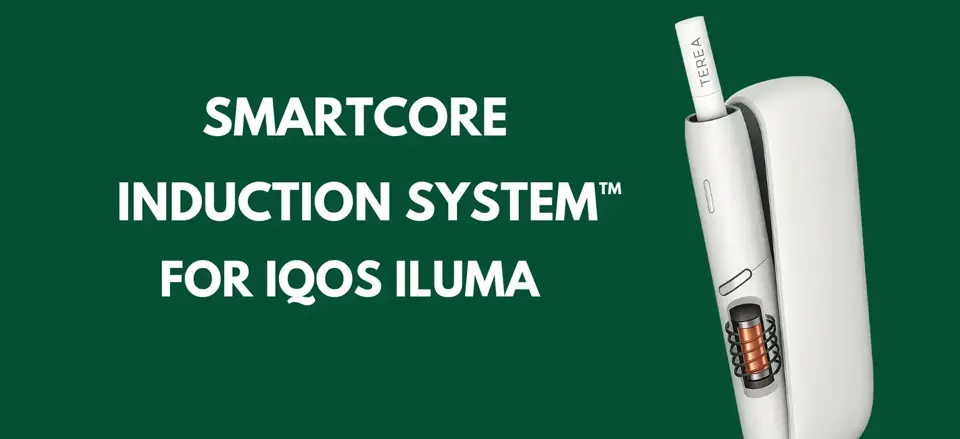
The Core Philosophy Behind IQOS ILUMA
IQOS ILUMA was designed to simplify usage. Instead of focusing on external features, it targets internal processes that previously required attention from the user.
The most important shift is not how ILUMA looks, but how much less the user needs to manage.
Reduced User Involvement
Earlier IQOS models required:
• regular cleaning,
• attention to blade condition,
• more hands-on maintenance.
ILUMA aims to reduce these tasks, making the device feel more self-contained and predictable.
How Older IQOS Models Approach Daily Use
Older IQOS devices rely more heavily on user involvement. Cleaning routines, manual checks, and careful handling are part of their normal use cycle.
For some users, this structure feels familiar and controlled. For others, it becomes a source of friction over time.
Familiarity vs Convenience
The choice between ILUMA and older models often comes down to whether a user values familiarity or convenience. Neither approach is inherently better, but they serve different usage styles.
Setting the Framework for Detailed Comparison
At a high level, IQOS ILUMA represents a move toward reduced maintenance and simplified sessions. Older models maintain a more traditional, hands-on approach.
In the next part, we will look more closely at specific differences in daily operation, including maintenance, reliability, and how these changes affect long-term use.
Reliability and Session Consistency
Older IQOS models rely on physical heating elements that can be affected by long-term use. Over time, performance may change subtly, requiring users to adjust habits or increase maintenance frequency.
ILUMA’s design aims to minimize this variability. By reducing internal exposure to residue, it delivers a more uniform experience across sessions.
This difference becomes noticeable over weeks and months rather than immediately.
Long-Term Reliability vs Short-Term Familiarity
Users who prefer older IQOS models often value familiarity and control. They understand how the device behaves and how to maintain it.
ILUMA appeals more strongly to users who prioritize reliability without intervention. The device feels more automated, which can reduce stress during daily use.
User Interaction and Learning Curve
Older IQOS devices require users to learn:
• cleaning schedules,
• proper handling techniques,
• signs of performance decline.
For experienced users, this knowledge becomes second nature. For new users, it can be a barrier.
IQOS ILUMA lowers the learning curve. Fewer tasks mean fewer opportunities for error, making it easier to adopt without prior experience.
This difference is especially relevant for users choosing their first Heat-Not-Burn device, as explained in how to choose your first IQOS device.
Portability and Everyday Practicality
In everyday scenarios, portability matters. Older IQOS models require users to consider:
• whether the device needs cleaning,
• whether components are exposed,
• how residue might affect transport.
ILUMA simplifies portability. With fewer maintenance concerns, users can carry the device more confidently throughout the day.
This makes ILUMA more suitable for users with dynamic schedules or frequent travel.
Psychological Comfort of Low Maintenance
Beyond physical convenience, reduced maintenance creates psychological comfort. Users are less likely to delay use or feel hesitant about device condition. This contributes to a smoother daily relationship with the device.
Which Daily Pattern Each Device Supports Best
Summarizing the daily-use comparison:
• Older IQOS models support users who are comfortable with routine maintenance and prefer a hands-on approach.
• IQOS ILUMA supports users who want predictable performance with minimal involvement.
Neither approach is objectively superior. The difference lies in how each device fits into the user’s lifestyle and tolerance for maintenance.
Transitioning Between Generations
Switching from an older model to ILUMA is not a dramatic change in experience, but rather a gradual refinement. The core Heat-Not-Burn concept remains the same.
This makes the transition easier and reduces the risk of disappointment.
Expectations Matter More Than Features
Users who expect ILUMA to feel completely different may be underwhelmed. Those who expect a smoother, more predictable daily experience are more likely to be satisfied.
Understanding this distinction is key to making a realistic upgrade decision.
Final Thoughts on Choosing Between IQOS Models
The choice between IQOS ILUMA and older models is not a question of better or worse. It is a question of fit.
ILUMA prioritizes simplicity and consistency. Older models prioritize familiarity and control. Both serve valid preferences.
For users evaluating an upgrade, focusing on daily habits rather than specifications leads to a more satisfying decision.













Add comment
You must be logged in to post a comment.