
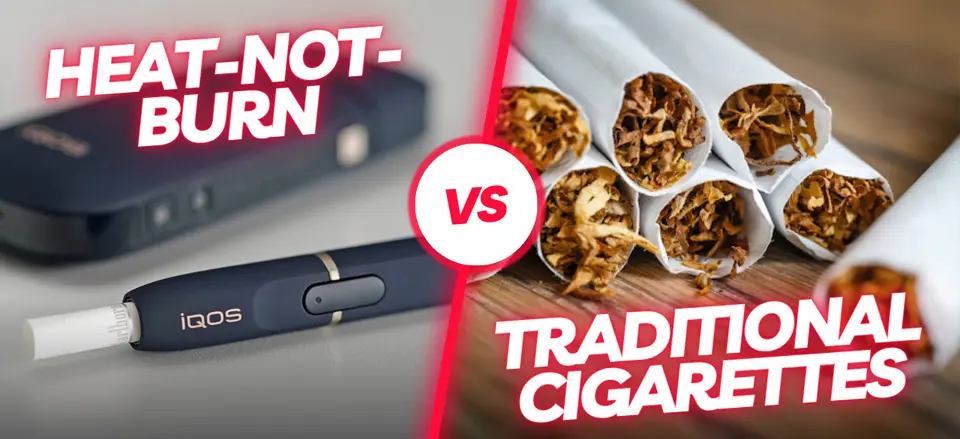
Is Heat-Not-Burn Safer Than Cigarettes?
One of the most common questions from smokers who explore heated tobacco is simple and direct: is heat-not-burn safer than cigarettes? The short answer is more nuanced than many expect. Heat-not-burn systems are designed differently from traditional cigarettes, and that difference changes exposure patterns — but it does not make nicotine use risk-free.
To understand the real difference, it is necessary to separate three ideas: combustion vs heating, smoke vs aerosol, and reduction vs elimination of harmful substances. When these concepts are mixed together, confusion appears and expectations become unrealistic.
Modern heated tobacco systems — such as devices in the main IQOS product family — are built around heating processed tobacco instead of burning it. That engineering change is the foundation of all safety and exposure discussions around heat-not-burn.
The Core Difference — Burning vs Heating
Traditional cigarettes work through combustion. Tobacco burns at very high temperature, producing smoke, ash, and thousands of combustion byproducts. Many harmful compounds associated with smoking come specifically from burning, not from nicotine itself.
Heat-not-burn systems are designed to operate below combustion temperature. Instead of burning tobacco, they heat it to release a nicotine-containing aerosol. Because there is no open burn, there is:
• no ash formation
• no continuous burning tip
• lower peak temperature
• different chemical profile of the aerosol
This is a structural difference — not a cosmetic one. It is the reason heat-not-burn products are discussed separately from cigarettes and separately from vaping.
A technical foundation of how this category works is explained in the overview guide on what heat-not-burn smoking is.
Temperature Changes Chemistry
When temperature changes, chemistry changes. Combustion produces one class of byproducts. Controlled heating produces another. That is why heating vs burning is the central technical distinction.
No Combustion, Different Output
Without combustion, the output profile changes — but it does not become chemically empty.
Does “No Smoke” Mean “Safe”?
A frequent misunderstanding is: if there is no smoke, it must be safe. This is incorrect. Heat-not-burn aerosol is not the same as cigarette smoke, but it is also not just harmless vapor. It still contains nicotine and other substances released from heated tobacco.
Correct interpretation is:
• not smoke in the traditional combustion sense
• still an inhaled nicotine aerosol
• reduced exposure ≠ zero exposure
• different risk profile ≠ no risk
This distinction is essential for honest education. Heated tobacco is generally positioned as a combustion-free alternative, not a harmless habit.
Compatibility with specific heated sticks — such as those in the TEREA stick category — shows how the system is designed as a controlled heating platform rather than an open burning product.
Reduced Does Not Mean Eliminated
Reduction language must not be confused with elimination language. Fewer combustion products does not mean no harmful substances at all.
Risk Is a Spectrum, Not a Switch
Risk does not switch from “high” to “zero.” It shifts along a spectrum.
Why Many Smokers Report a “Cleaner” Experience
Many users who switch from cigarettes to heated tobacco report a cleaner sensory experience. This perception usually comes from structural factors:
• no ash
• less persistent room smell
• no burning paper odor
• different exhale profile
These changes are engineering results of heating instead of burning.
They are sensory and environmental differences — not medical guarantees.
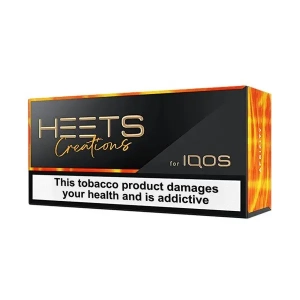
Stick families such as classic HEETS variants — for example HEETS Amber Label — are often used by transitioning smokers as reference points when comparing cigarette smoke to heated tobacco aerosol.
Cleaner smell perception should not be confused with zero exposure — but it is a real experiential difference.
Sensory Difference Is Real
Users often detect smell and residue differences quickly after switching.
Sensory Change ≠ Medical Claim
A sensory improvement is not the same as a medical safety claim.
Device Generation Also Affects Output Behavior
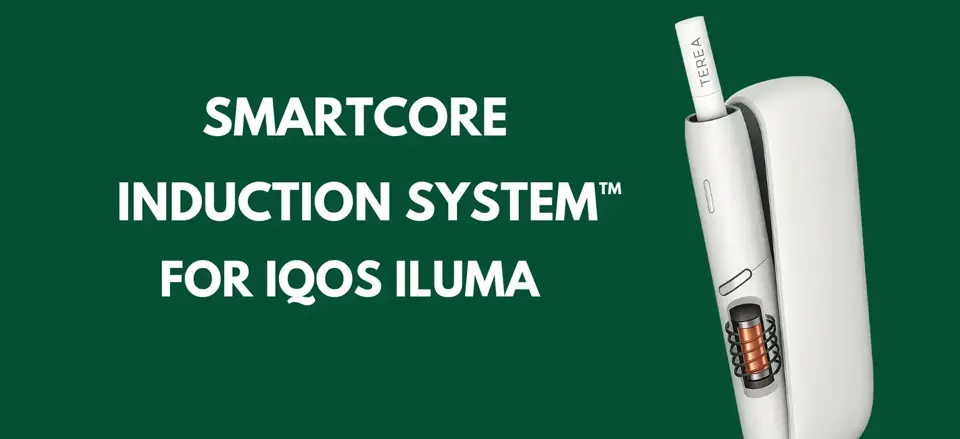
Not all heated tobacco devices operate identically. Device generation, heating method, and stick design influence how controlled the heating process is. Newer bladeless systems are designed to create more stable heating patterns and simplified maintenance.
Examples from the newer generation — such as IQOS ILUMA Pebble Beige — illustrate how hardware evolution focuses on heating consistency and user handling, not only design.
Device evolution is explained further in the comparison article on IQOS ILUMA vs older IQOS models, (https://heatedland.com/iqos-iluma-vs-older-iqos-models/) which helps readers understand why system design keeps changing.
Hardware Influences Delivery
Heating control hardware influences aerosol consistency and session behavior.
System Design Shapes Output
System design shapes how tobacco is heated and delivered.
Nicotine — The Constant Factor
Whether tobacco is burned or heated, nicotine remains present. That means dependence potential remains part of the equation. Heat-not-burn changes delivery mechanics and exposure profile — not the fundamental addictive substance.
Nicotine presence in heated sticks is explained directly in the guide on whether HEETS and TEREA contain nicotine.
Understanding this prevents the most common misunderstanding: that heating removes nicotine risk. It does not.
What “Reduced Exposure” Actually Means
When heat-not-burn products are described as having “reduced exposure,” this phrase has a technical meaning — not a marketing promise of safety. It refers to laboratory comparisons of chemical output between combustion smoke and heated tobacco aerosol under controlled conditions.
Reduced exposure typically means:
• fewer combustion byproducts detected
• lower levels of certain toxic compounds
• different aerosol chemistry vs smoke
• absence of burning-paper toxins
It does not mean:
• zero harmful substances
• zero health risk
• medically safe inhalation
• risk-free nicotine use
Understanding this distinction is critical for accurate reader education. A reduction claim must always be interpreted as relative, not absolute.
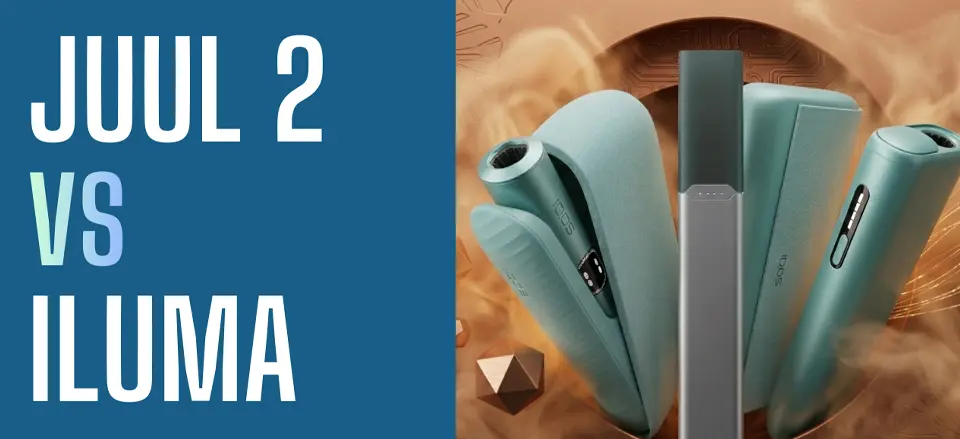
A technical comparison between heated tobacco and other non-combustion formats is explained in the category comparison guide on how IQOS differs from vaping, which helps readers avoid mixing device classes and risk models.
Relative vs Absolute Language
Relative reduction language compares two systems. Absolute safety language makes unconditional claims. Only the first is appropriate here.
Comparison Is Not Clearance
Comparison data is not a medical clearance.
Why Regulators and Scientists Use Careful Wording
Scientific and regulatory discussions about heated tobacco products use cautious wording for a reason. Long-term population data takes time. Even when engineering differences are clear, outcome data must be observed over extended periods.
Careful wording usually focuses on:
• exposure differences
• combustion absence
• emission profile change
• toxicant reduction ranges
Not on:
• guaranteed safety
• disease elimination
• universal benefit claims
Readers benefit from seeing this nuance clearly explained instead of simplified into slogans.
Product families built for controlled heating — such as ILUMA-compatible sticks like TEREA Silver — exist specifically to support stable heating behavior rather than open combustion, but that still belongs in the “reduced exposure” framework — not “safe use.”
Engineering Change ≠ Outcome Guarantee
Engineering differences are measurable. Long-term outcomes require observation.
Time Is Part of Evidence
Time is part of evidence building.
Smell Reduction Does Not Equal Risk Elimination
Many switching users notice smell reduction very quickly. Heated tobacco aerosol usually leaves less persistent odor than cigarette smoke. While this is a real and noticeable difference, smell reduction must not be confused with risk elimination.
Smell behavior changes because:
• no burning paper
• lower operating temperature
• different particle composition
• less sidestream output
The environmental difference is real — but it is a sensory and environmental difference, not a medical conclusion.
Flavor stick variants such as HEETS Turquoise Label are often used by users who specifically look for fresher sensory profiles when moving away from cigarette smoke smell.
Environment Changes Faster Than Risk
Environmental smell changes appear faster than measurable risk conclusions.
Sensory Signals Can Mislead
Sensory improvement can be misinterpreted as safety.
User Behavior Still Matters
Risk and exposure are influenced not only by device type but also by user behavior. Session frequency, puff intensity, and daily stick count all affect total exposure. A heated product used very heavily may reduce some per-session emissions but still produce significant total exposure due to frequency.
Behavior variables include:
• sticks per day
• puff length
• session spacing
• dual use with cigarettes
• long-term consistency
Behavior is part of the exposure equation — not just technology.
Usage pattern differences are explored in the behavior guide on heat-not-burn products for daily vs occasional use, which connects rhythm with total intake patterns.
Dual Use — The Most Common Transition Phase
Many smokers do not switch instantly. They enter a dual-use phase — using both cigarettes and heated tobacco. From an exposure perspective, dual use reduces the benefit of switching because combustion exposure still remains part of the pattern.
Dual use often happens when:
• device learning curve exists
• stick preference is not yet stable
• situational smoking continues
• transition is gradual
Understanding this helps set realistic expectations. Technology can reduce combustion exposure — but only if combustion is actually reduced in practice.
Device familiarity — including how newer systems operate — is covered in the model behavior explainer on IQOS ILUMA vs older IQOS models, which helps users move more confidently through the transition stage.
Partial Switching = Partial Benefit
Partial switching produces partial exposure change.
Full Behavior Change Matters
Full behavior change matters more than device ownership.
Product Category Context Still Matters
Heat-not-burn should be evaluated inside its correct category context — not mixed with cigarettes and not mixed with vaping. Each category has different mechanics and exposure profiles.
Category structure helps readers orient correctly. Reviewing both device and stick families — such as the HEETS range within the HEETS stick category — keeps comparison grounded in the right product class.
Correct category framing prevents misunderstanding.
Compare Inside the Correct Class
Cross-category comparison often creates confusion.
Category Defines Baseline
Category defines the correct baseline.
A structured comparison baseline between device classes helps reinforce this logic. Category comparisons such as how IQOS differs from vaping help readers understand that each nicotine technology has different mechanics and different exposure models.
Harm reduction is a gradient strategy — not a binary claim.
Reduction Strategy vs Safety Claim
Reduction strategy aims to lower certain exposures. Safety claims promise absence of risk — which is not the correct framing here.
Gradient, Not Binary
Risk discussion is gradient — not binary.
How Readers Should Interpret “Safer Than Cigarettes”
When readers see the question “is heat-not-burn safer than cigarettes,” the most accurate interpretation is comparative, not absolute. The correct mental model is: different risk structure, not no risk structure.
A careful interpretation framework looks like this:
• combustion removed → exposure profile changes
• aerosol instead of smoke → chemistry differs
• fewer combustion toxins → not zero toxins
• nicotine present → dependence risk remains
This balanced framing helps avoid two common mistakes: overstating safety and ignoring engineering differences.
A broader technical foundation for how heated tobacco systems work — and why combustion removal matters — is explained in the system overview on what heat-not-burn smoking is.
Comparative Framing Is the Correct Framing
Heat-not-burn should be discussed in comparative terms — compared to cigarettes — not in absolute safety terms.
Comparison, Not Clearance
Comparison language is appropriate. Clearance language is not.
Why Product System Choice Still Matters
Even inside the heat-not-burn category, system design affects consistency and user experience. Device generation, stick structure, and heating control all influence how stable the heating process is across sessions.
Newer device platforms — such as IQOS ILUMA Prime Obsidian Black — are designed around controlled, bladeless heating logic paired with specific stick constructions. This shows that risk and exposure discussions should always include system pairing, not only device names.
System = device + sticks + heating logic.
Not All Heated Systems Behave Identically
Different hardware generations produce different heating control behavior.
Platform Matters
Platform design matters for delivery stability.
Nicotine Presence Means Continued Dependence Risk
A key constant across cigarettes and heated tobacco is nicotine. Even when combustion is removed, nicotine delivery remains. That means dependence potential remains part of the picture.
Readers should understand clearly:
• heating ≠ nicotine removal
• aerosol ≠ nicotine-free
• alternative ≠ non-addictive
Compatibility stick families — including ILUMA sticks grouped in the TEREA category for ILUMA devices — are built to deliver nicotine through controlled heating, not to eliminate nicotine exposure.
Clear nicotine messaging prevents the most common misunderstanding.
Dependence Is Chemistry-Driven
Dependence risk is driven by nicotine chemistry, not combustion alone.
Heating Does Not Remove Addiction Risk
Heating changes delivery — not addiction potential.
Smell and Residue Differences — What They Do and Don’t Mean
One of the most noticeable differences users report is smell behavior. Heated tobacco typically produces less persistent odor than cigarette smoke. That difference is real and observable — but it should be interpreted correctly.
Smell reduction usually reflects:
• absence of burning paper
• lower sidestream output
• different particle behavior
• faster odor dissipation
It does not automatically reflect proportional health risk reduction. Sensory improvement and toxicology are not the same measurement scale.
Product examples inside the heated stick ecosystem — such as HEETS Amber Label — are often used by switchers as sensory reference points when comparing cigarette smoke smell versus heated aerosol smell.
Sensory Improvement Is Not a Medical Metric
Better smell behavior is a sensory metric — not a medical metric.
Nose ≠ Risk Meter
Your nose is not a toxicology instrument.
Correct Reader Takeaway — Harm Reduction Logic
The most responsible takeaway for readers is harm-reduction logic, not safety absolutism. Heat-not-burn products are typically discussed in harm-reduction context: removing combustion to reduce certain exposures compared to cigarettes — while acknowledging continued nicotine risk.












Add comment
You must be logged in to post a comment.