

How IQOS Differs from Vaping
As alternatives to traditional cigarettes continue to grow, many smokers find themselves choosing between IQOS and vaping. At first glance, both may seem similar: electronic devices, no burning, and a modern approach to nicotine consumption. But in reality, IQOS and vaping are fundamentally different technologies, designed for very different user preferences.
This confusion is common — especially because vaping is often associated with popular pod systems like JUUL. Understanding how IQOS differs from vaping is essential for smokers who want to make an informed decision based on technology, experience, and long-term use, not marketing terms.
What IQOS Actually Is (and What It Is Not)
IQOS belongs to a category known as heat-not-burn. Instead of burning tobacco, IQOS devices heat specially designed tobacco sticks to release flavor and nicotine without combustion.
All IQOS systems are built around the idea of real tobacco heated at controlled temperatures, which makes them fundamentally different from vape devices.
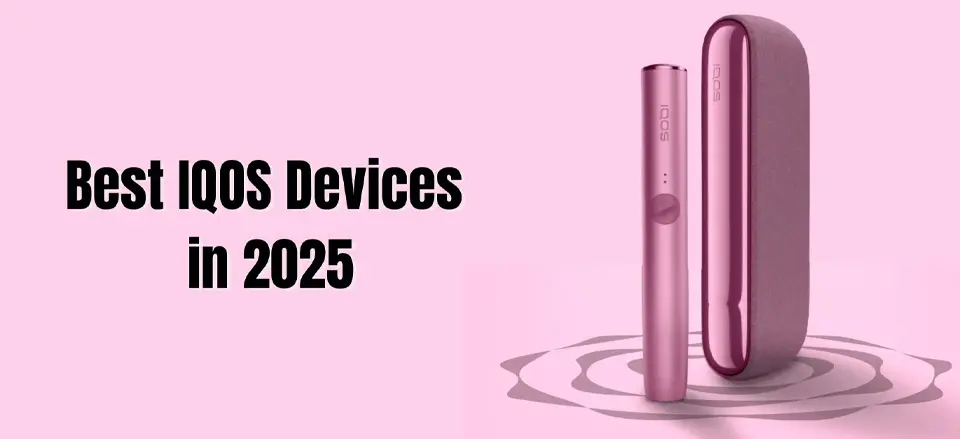
You can see the full ecosystem of IQOS heated tobacco devices, which are engineered specifically for this heating process and note that they do not use liquid or cartridges.
What People Usually Mean by “Vaping”
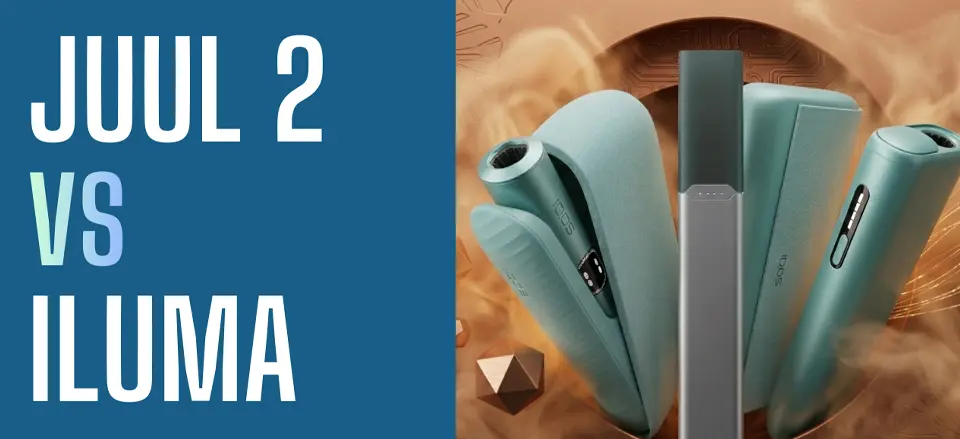
When most people talk about vaping, they are not referring to a general concept — they usually mean pod-based vape systems, most commonly JUUL.
JUUL-style vaping devices:
• use nicotine liquid (e-liquid)
• rely on vaporization, not heating tobacco
• do not contain real tobacco leaves
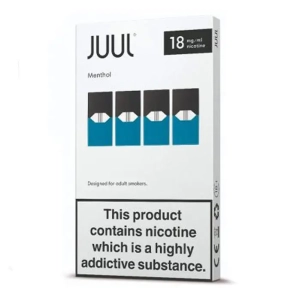
A clear example of this category is the range of JUUL pods and kits, which represent how modern vaping systems are designed and used.
This is where the biggest misunderstanding begins: IQOS is not a vape, and JUUL is not a heat-not-burn device.
Real Tobacco vs Nicotine Liquid: The Core Difference
Why Tobacco Matters in IQOS
IQOS uses real processed tobacco, shaped into special sticks that are heated instead of burned. This means:
• the flavor comes from tobacco leaves
• the experience feels closer to smoking
• nicotine delivery follows a familiar pattern for smokers
This is why IQOS often appeals to long-term smokers who tried vaping but felt disconnected from the experience.
Why Vaping Feels Different
Vaping devices like JUUL use nicotine salt liquids, not tobacco. Flavor is created through liquid formulation rather than natural tobacco.
This leads to:
• a lighter sensation
• flavored vapor instead of tobacco aerosol
• a completely different ritual
For some users, this is an advantage. For others, it feels too far removed from smoking.
How the User Experience Differs Day to Day
Using IQOS
With IQOS, the process feels structured and ritual-based:
• insert a tobacco stick
• heat the device
• take controlled puffs
The experience is closer to a cigarette break, just without burning.
Using Vaping Devices
With vaping systems such as JUUL:
• there is no session limit
• usage can be continuous
• puffs are lighter and more frequent
This difference in rhythm affects how users integrate each product into daily life.
Why IQOS Is Often Confused with Vaping
The confusion exists because:
• both are electronic
• both are smoke-free
• both are alternatives to cigarettes
However, once you understand that IQOS heats tobacco and vaping vaporizes liquid, the distinction becomes clear.
For readers who want a deeper foundation before comparing these systems, it helps to review what heat-not-burn smoking actually is and how it differs from other alternatives.
Who Typically Chooses IQOS — and Who Chooses Vaping
• IQOS is often chosen by:
• long-term smokers
• users who value tobacco taste
• people who want a cigarette-like ritual
• Vaping is often chosen by:
• users who prefer flavored vapor
• those who want flexible usage
• people moving away from tobacco entirely
Neither option is “better” in general — they serve different needs.
Technology Differences: Heating Tobacco vs Vaporizing Liquid
To understand why IQOS and vaping feel so different in daily use, you need to look beyond the surface and focus on how nicotine is delivered. The difference is not cosmetic — it is structural.
How IQOS Delivers Nicotine
IQOS devices operate within the heat-not-burn category. Instead of burning tobacco, they heat it to a controlled temperature that releases nicotine and flavor without combustion.
This process relies on:
• precise temperature control
• carefully engineered airflow
• specially designed tobacco sticks
Because of this design, IQOS systems require tobacco heatsticks, not liquid cartridges. The tobacco itself is the core of the experience.
How Vaping Devices Deliver Nicotine
Vaping systems, including JUUL-style devices, use nicotine liquids that are vaporized by a heating coil. There is no tobacco leaf involved in the process.
Key characteristics of vaping:
• liquid-based nicotine delivery
• vapor instead of tobacco aerosol
• flavor created through liquid formulation
This difference explains why vaping often feels lighter and less structured compared to heat-not-burn systems.
Heatsticks vs Vape Pods: Why the Consumables Matter
One of the clearest distinctions between IQOS and vaping lies in the consumables each system uses.
IQOS Heatsticks
Heat-not-burn devices rely on tobacco heatsticks, which are engineered to be heated rather than burned. These sticks control how air moves through the device and how flavor compounds are released.
You can explore the full range of IQOS heatsticksto see how central they are to the system.
Among them, the most recognized options include:
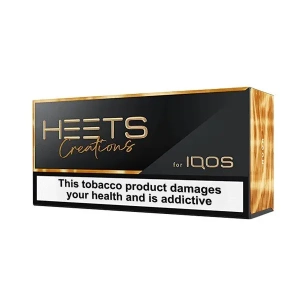
• HEETS tobacco sticks — classic, widely used, and familiar to many smokers
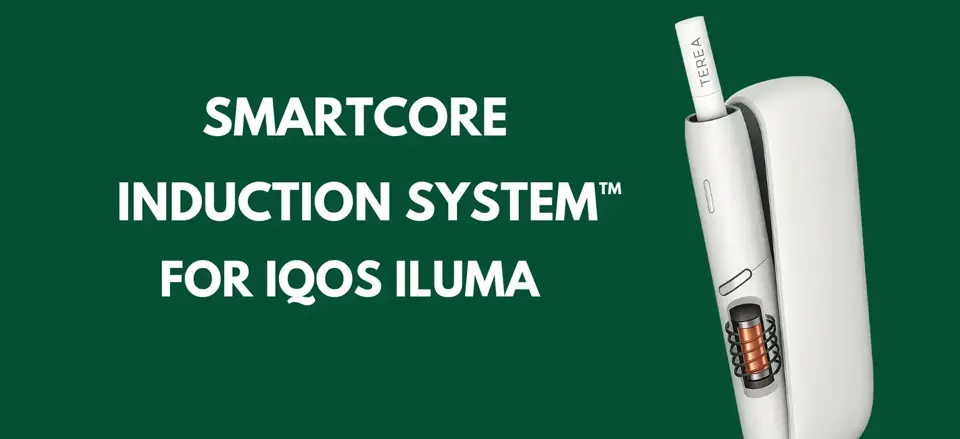
• TEREA sticks for IQOS ILUMA — designed for newer induction-based devices
Each type is optimized for a specific generation of IQOS hardware, reinforcing the idea of a closed, controlled ecosystem.
JUUL Pods and Vaping Cartridges
Vaping devices use pods or cartridges filled with nicotine liquid. In JUUL systems, these pods contain nicotine salts and flavorings suspended in a liquid base.
For users who want a deeper look at how this system works, the complete JUUL pods guide for 2025 explains pod types, nicotine strength, and usage patterns in detail.
Unlike heatsticks:
• vape pods are not tobacco-based
• flavor comes from liquid blends
• heating relies on coils rather than controlled chambers
This fundamental difference affects both sensation and routine.
Taste, Sensation, and Satisfaction: A Direct Comparison
Flavor Source
• IQOS: flavor comes from real tobacco leaves
• Vaping: flavor comes from liquid formulations
This is why many smokers describe IQOS flavor as more familiar, while vaping feels more experimental or lighter.
Inhalation and Draw
Heat-not-burn devices are designed for slow, controlled puffs, similar to smoking. Vaping devices allow for:
• shorter puffs
• continuous usage
• variable intensity
These differences influence how often and how long users engage with each product.
Daily Usage Patterns: Structured Sessions vs Continuous Use
Another major difference between IQOS and vaping lies in how users interact with the device throughout the day.
IQOS Usage Rhythm
IQOS sessions are limited by design:
• one heatstick per session
• a defined start and end
• a clear “break” structure
This mirrors traditional smoking habits and helps many users maintain control over usage.
A Common Follow-Up Question: Safety Considerations
After comparing IQOS and vaping, many readers naturally ask how these options are evaluated relative to cigarettes. Rather than relying on assumptions, it’s important to review factual, contextual explanations.
A focused analysis of whether heat-not-burn is considered safer than cigarettes helps place IQOS within the broader discussion of tobacco alternatives, including what is known and what continues to be studied.
This perspective is essential for making informed, adult decisions.
How This Comparison Fits into the Bigger Picture
IQOS and vaping represent two distinct paths away from combustible cigarettes:
• one centered on heated tobacco
• the other on liquid vaporization
Neither path is universal, but both reflect a broader shift toward technology-driven alternatives.
Understanding the difference empowers users to choose intentionally rather than by trial and error.
What to Explore Next
Once the distinction between IQOS and vaping is clear, readers often move on to more specific topics, such as:
• how individual IQOS models compare
• how different heatsticks affect flavor
• how usage patterns evolve over time
This article serves as a decision framework, making the rest of the site easier to navigate and understand.
Final Thoughts
IQOS and vaping may look similar on the surface, but they are built on entirely different principles.











Add comment
You must be logged in to post a comment.