
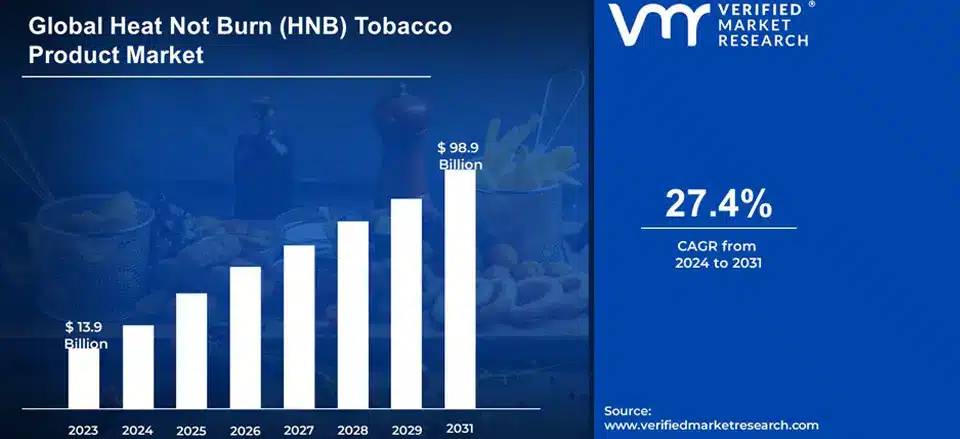
Global Regulations of Heat-Not-Burn Products in 2025
Heat-Not-Burn (HNB) products operate through controlled heating rather than combustion, making them a distinct category in the global nicotine market. Because of this differentiation, they fall under unique regulatory pathways that vary significantly by region.
In 2025, the legal environment for HNB devices continues to evolve, with government agencies around the world adapting policies to align with new technology. This article provides a clear, factual comparison of:
• classification and authorization processes
• labeling and packaging requirements
• age restrictions
• import rules
• market availability
across the United States, European Union, and major Asian jurisdictions.
Why HNB Regulations Differ from Traditional Smoking Products
Regulatory variability comes from three key policy goals:
1. Protect youth and restrict access for minors
2. Ensure product safety and device reliability
3. Establish consistent standards for transparent information
Because HNB technology is relatively new, scientific evaluation and legal frameworks are still adapting to temperature-regulated aerosol systems.
Different governments answer the same questions with different approaches:
• How should heat not burn products be categorized?
• Which agencies control the approval process?
• What safety data is required?
These decisions lead to different rules in each country.
United States — The Most Complex Authorization Pathway
In the U.S., all HNB products fall under the jurisdiction of the Food and Drug Administration (FDA), specifically the Center for Tobacco Products (CTP).
Product Classification Under Federal Law
HNB systems are considered tobacco products if they contain or are intended for use with tobacco materials. Therefore, they must comply with federal rules for:
• manufacturing standards
• marketing authorization
• ingredient reporting
• labeling compliance
Pre-Market Requirements
Before sale in the U.S., any HNB product must receive authorization through a Premarket Heatsticks Product Application (PMTA). This process requires:
• scientific studies
• engineering and product data
• aerosol analysis
• regulatory compliance documentation
Without PMTA authorization, a product cannot be marketed in the United States.
Minimum Age and Access Restrictions
Federal law sets:
• 21+ as the minimum age for purchase
• ID verification requirements at the point of sale
• strict supervision of online retail platforms
Additional State-Level Requirements
Beyond federal law:
• certain states impose extra licensing requirements
• shipping and taxation rules vary
• indoor usage laws differ by state and city
What This Means for U.S. Market Availability
Due to the extensive regulatory pathway:
• Only a small number of HNB products currently have authorization
• Market expansion moves slowly
• Compliance and data transparency remain top priorities
The U.S. market is shaped by scientific review first, commercial availability second.
European Union — A Unified Framework with Strict Compliance Standards
The European Union (EU) uses a highly structured and harmonized regulatory system for all tobacco and related aerosol products. Heat-Not-Burn devices and consumables are included under the umbrella of the Tobacco Products Directive (TPD) — one of the world’s strictest frameworks.
Unlike the United States, where approval pathways differ by state, EU law aims to enforce consistency across 27 member states.
Regulatory Classification
HNB sticks containing tobacco are treated as tobacco products, meaning:
• they must comply with TPD manufacturing and packaging standards
• notification to authorities is required 6 months before market entry
• full product information must be submitted for evaluation
Separate rules may apply to devices and tobacco consumables, depending on specific technical characteristics.
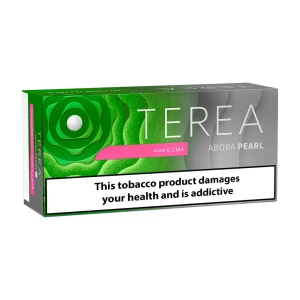
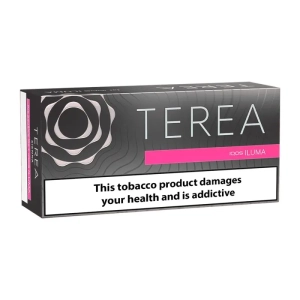
Check Terea Siena Heatsticks
Packaging and Labeling Requirements (TPD Compliance)
TPD mandates uniform and highly visible health messaging across all tobacco categories. Requirements include:
Requirement Enforcement
Large combined health warnings Must cover 65% of front and back packaging surfaces
Standardized information panel Ingredients, emissions, manufacturer details
No marketing or promotional claims Prohibited statements about taste, lifestyle, or reduced risk
Tamper-evident and child-resistant packaging Required for safety
The EU focuses on clarity, traceability, and consumer information integrity.
Prohibitions and Flavor Restrictions
To prevent appeal to minors, TPD includes strong restrictions on flavored tobacco, including:
• widespread bans on menthol and characterizing flavors
• limitations on capsules or flavor-changing components in some markets
These restrictions heavily influence which HNB products can be sold in the EU.
Age Restrictions and Access Control
All EU member states enforce:
• 18+ minimum purchase age
• retail licensing rules
• limitations on vending machines
• strict control of online purchases depending on jurisdiction
Compliance targets youth access prevention as a primary policy goal.
Cross-Border Selling and Duty-Paid Policies
Within the EU internal market:
• consumers may transport limited quantities across borders for personal use
• commercial shipment between countries must follow customs reporting and taxation rules
HNB manufacturers must navigate:
• excise tax systems
• traceability and security features
• varied enforcement intensity by member states
Although the EU is unified by legislation, implementation varies locally, requiring careful legal oversight.
Market Availability in the EU — Regulated but Active
Because the EU offers a formal pathway to introduce HNB products:
• controlled expansion is possible
• device approvals and product listings continue to grow
• companies invest heavily in compliance documentation
The EU is considered one of the most regulated but most active regions for Heat-Not-Burn market presence.
Enforcement and Penalties for Non-Compliance
EU authorities conduct:
• border inspections
• digital retail audits
• enforcement actions against unregistered sellers
Penalties for violations may include:
• fines
• forced product recalls
• market bans
This ensures that only systems meeting regulatory standards reach consumers.
EU vs. U.S. — Key Regulatory Differences (Summary Table)
Regulatory Area United States (FDA) European Union (TPD)
Authorization process PMTA required, scientific review first Notification, regulatory compliance check
Minimum purchase age 21+ nationwide 18+ in all member states
Flavor restrictions Vary by federal/state rules Broad and strict flavor bans
Market entry timeline Long and expensive approval process More predictable if compliance is met
Enforcement Federal + state variation Central standards, local enforcement
📌 In summary, the U.S. focuses on safety science validation,
while the EU prioritizes standardized packaging and access control.
Asia — Diverse Regulatory Systems with Rapid Policy Development
Asia is one of the most dynamic regions for Heat-Not-Burn product regulation. Unlike the EU’s unified rules, Asian countries each operate under distinct frameworks, shaped by:
• cultural viewpoints
• national health policies
• economic priorities
• trade restrictions
• product authorization systems
Regulation commonly evolves quickly as governments respond to emerging aerosol technologies.
Key Asian Markets — Legal Framework Overview
Below is a segmented review of major Asian jurisdictions with active HNB policies.
Japan — A Leader in HNB Acceptance and Market Structure
Japan is one of the few countries where Heat-Not-Burn aerosol products are widely available and technologically recognized as their own category. Key aspects:
• age-restricted retail environment
• strict ingredient and product disclosures
• device and consumable quality standards
• advertising rules with strong limitations
Japan’s marketplace accelerated global interest in HNB due to:
• strong consumer preference for advanced electronics
• significant investment in research and development
• well-structured retail compliance monitoring
📌 Japan demonstrates how technology adoption and tight regulation can coexist.
South Korea — Regulatory Growth with Compliance Emphasis
South Korea maintains:
• 19+ purchase age
• detailed labeling and safety requirements
• import notification and product registration rules
• taxation aligned with national tobacco classifications
Authorities closely evaluate aerosol product categories and enforce uniform retail standards.
Mainland China — Evolving Regulations and Structural Changes
China is gradually establishing regulatory standards for temperature-controlled aerosol products, focusing on:
• classification within national tobacco laws
• mandatory licensing for manufacturing and distribution
• compliance with national product standards for safety and materials
Authorities prioritize:
• product traceability
• market supervision
• prevention of unauthorized retail platforms
📌 Policies remain in active development, with a focus on state-regulated compliance.
Hong Kong, Taiwan, Singapore — Stricter Regulatory Approaches
Due to differing local public health strategies:
Region General Policy Trend Key Enforcement Notes
Hong Kong Highly restrictive Tight import and sales regulations
Taiwan Controlled access Strong consumer protection focus
Singapore Most restrictive Broad prohibitions on certain aerosol systems
These policies reflect cautious regulatory attitudes toward nicotine technologies.
Asian Regulatory Landscape Summary Table
Regulatory Factor Japan South Korea Mainland China Hong Kong / SG / Taiwan
Purchase age 20+ or 18+ depending on updates 19+ 18+ nationwide 18+ if applicable
Market availability Active and established Regulated availability Expanding, regulated Highly restrictive
Product authorization Technical compliance Registration and labeling Licensing + standards Limited / not authorized
Import rules Clear with controls Customs declaration Government-controlled Strong restrictions
Asia presents the widest range of legal outcomes:
• from open + regulated (Japan/Korea)
• to controlled expansion (China)
• to heavily restricted (HK/SG/TW)
Why Asia’s Approach Matters Globally
Asia:
• houses some of the world’s largest tobacco regulatory bodies
• drives major technological production and innovation
• influences engineering priorities for device design
• provides feedback loops for product compliance improvements
In many ways, Asia serves as a global testing ground for regulatory strategies, production standards, and distribution models.
Comparative Insight — U.S. vs. EU vs. Asia
To simplify the global landscape:
Region Regulatory Focus Market Impact
United States Scientific evidence before authorization Slow market growth, high compliance cost
European Union Standardized packaging + youth protection Controlled expansion under strict rules
Asia Mixed frameworks: regulated innovation vs. strong market limitations Rapid growth in certain countries; restricted in others
These differences highlight the importance of regional legal understanding in HNB technology deployment.
The History and Evolution of Heat-Not-Burn Technology
How Heat-Not-Burn Devices Work






Add comment
You must be logged in to post a comment.