
How Heat-Not-Burn Devices Work: Engineering Behind Modern Aerosol Systems
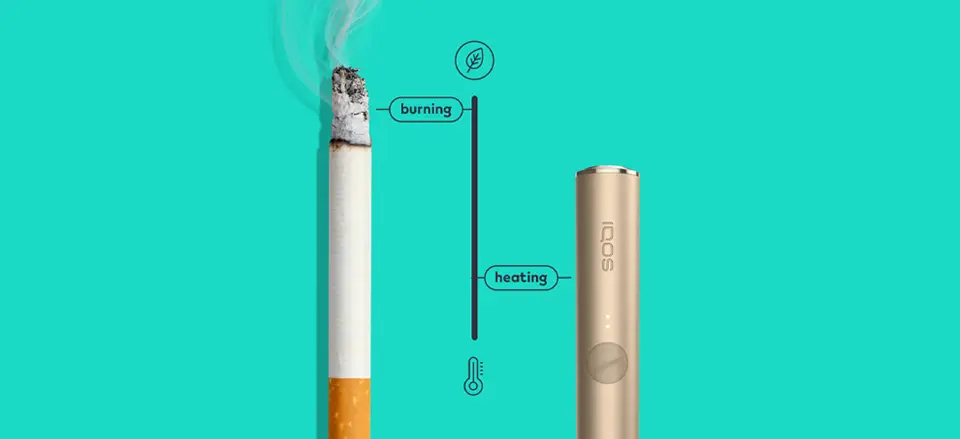
Heat-Not-Burn (HNB) devices apply controlled heat to specially designed tobacco units to generate an aerosol — without reaching combustion. This requires a careful combination of thermal engineering, electronics, and material science.
Unlike traditional ignition-based products, HNB devices rely on precision:
• stable temperature control
• high-efficiency energy delivery
• consistent airflow mechanics
• strong structural integrity during heating cycles
This article breaks down the engineering components that enable the Heat-Not-Burn process.
The Engineering Principle — heatedland
Combustion occurs when organic materials reach 600–900°C, leading to:
• smoke production
• ash formation
• destructive thermal reactions
HNB systems instead operate around 200–350°C, where aerosol components of tobacco are released through thermochemical vaporization, not burning.
Heating Condition Temperature Output
Heating only 200–350°C Aerosol formation
Combustion 600–900°C Smoke + ash + odor
This lower-temperature process requires:
• a precise thermal interface
• efficient power delivery
• controlled material environment
to ensure no uncontrolled ignition.
Key Components of a Heat-Not-Burn Device
Most HNB devices include five core engineering systems:
1. Heating Element
2. Temperature Control Module
3. Battery and Power Circuitry
4. Airflow-Based Aerosol System
5. Device Housing and Thermal Shielding
All of these parts must work together seamlessly during short but intense heating cycles.
Heating Elements — Blade vs. Induction Engineering
Two primary engineering designs dominate the HNB market:
Heating Blade Technology
• A thin metallic blade pierces the tobacco unit
• Direct heat transfer from inside the substrate outward
• Fast temperature rise
• Efficient energy use
The blade must withstand:
• repeated heating cycles
• mechanical stress during insertion
• thermal shock from rapid temperature change
Modern blades use heat-resistant alloys to maintain stability.
Induction or Surround Heating
• Heat is applied from the outside or through electromagnetic induction
• No physical penetration into the tobacco unit
• More even heating distribution
• Reduced risk of internal charring
Induction systems require advanced sensors to maintain uniform heating across the substrate’s structure.
Temperature Control Systems — Preventing Combustion
Temperature must:
• rise quickly to the target heating range
• remain stable during entire operation
• avoid peaks that might trigger burning
To achieve this, HNB devices use:
• thermistors for real-time heat measurement
• closed-loop feedback algorithms
• smart controllers that regulate voltage to heating elements
If temperature approaches combustion levels, the device automatically reduces power.
Power Systems — High-Efficiency Battery Engineering
HNB heating requires rapid power delivery:
• high current output
• minimal voltage drop
• thermal protection to prevent battery damage
Most devices rely on high-drain lithium-ion cells, optimized for short bursts of power.
Battery management systems must:
• protect against overheating
• prevent overcharge or over-discharge
• maintain safety under frequent use
This makes battery design a central engineering priority.
Airflow Dynamics — The Role of Controlled Ventilation
Aerosol formation depends heavily on airflow engineering. When a user inhales, air passes:
1. through intake vents
2. into the heating chamber
3. alongside the heated tobacco substrate
4. through the filtration section
5. out of the mouthpiece
Engineers must carefully balance:
• pressure resistance
• airflow speed
• thermal exchange
If airflow is too fast → heating becomes unstable
If too slow → insufficient aerosol formation
Therefore, many devices include precisely calculated airflow channels that maintain optimal flow patterns.
Air Pressure and Thermal Interaction
Aerosol generation requires stable interaction between:
• warm airflow
• tobacco substrate
• condensation points downstream
Designers optimize:
• channel diameter
• surface geometry
• positioning of thermal contact points
Each structural decision affects:
• aerosol density
• consistency
• heating efficiency
Aerosol Formation — Thermochemical and Mechanical Processes
Heat-Not-Burn aerosol is not smoke. It is formed through controlled vaporization under moderate temperatures.
Key physical processes:
• phase change — solid/liquid components transitioning to vapor
• particle suspension — aerosol droplets carried by airflow
• thermal extraction — release of compounds from the substrate
The device environment must maintain:
• adequate moisture
• stable heat conduction
• minimal hotspots
to ensure consistent aerosol output.
Filtration and Aerosol Conditioning
After formation, aerosol passes through filter sections designed to:
• cool the aerosol flow gradually
• reduce condensation
• maintain droplet stability
Filters often include:
• polymer structures
• paper-based filters
• porous materials for moisture control
• barriers to prevent residue migration
This ensures aerosol remains stable before reaching the mouthpiece.
Chamber Engineering and Thermal Containment
The heating chamber must:
• transfer heat efficiently
• resist heat deformation
• isolate sensitive electronics from high temperatures
• maintain optimal spacing around the substrate
Engineered insulation materials:
• prevent overheating of device housing
• reduce heat loss
• improve cycle-to-cycle energy efficiency
Thermal containment ensures both:
• user safety
• system reliability
Electronics and Precision Control Architecture
Modern HNB systems include several key electronic modules:
1. MCU (Microcontroller Unit)
— executes heating algorithms and temperature feedback loops
2. BMS (Battery Management System)
— protects against overcurrent and thermal runaway
3. Safety Cutoff Circuitry
— shuts down heating if irregularities detected
4. Actuation Sensors
— detect insertion of tobacco unit
— identify airflow or activation state
The system continuously monitors:
• temperature fluctuations
• electrical load
• thermal stress
• operation time windows
Precision closed-loop control allows the device to adapt dynamically to real-world conditions.
Activation Mechanisms
Two common engineering activation designs:
Activation Type Engineering Benefit
Button-based activation Clear user input, simpler power control
Automatic airflow activation Real-time response, integrated airflow sensors
Both require power stabilization logic to avoid voltage instability during rapid heating.
Durability Engineering — Reliability Across Heating Cycles
HNB devices undergo repeated thermal cycles, which stress the:
• heating element
• thermal insulation
• electronic circuits
• structural components
Design priorities:
• high melting-point materials
• thermal shock protection
• mechanical reinforcement
• stress distribution engineering
Standard testing includes:
• cycle endurance tests
• drop resilience checks
• rapid heat-up/heat-down monitoring
• electrical safety validation
Durability directly influences:
• product lifespan
• maintenance frequency
• performance consistency
Charging and Power Efficiency
Because each heating cycle consumes substantial power, engineers focus on:
• fast charging architecture
• power surge compensation
• battery wear reduction algorithms
• thermal balancing during charge cycles
Smart charging ICs track:
• current flow
• temperature rise
• battery aging
ensuring safety across repeated recharging.
The Tobacco Unit — A Crucial Part of Thermal Engineering
Heat-Not-Burn technology does not rely solely on the device. The tobacco unit itself is a highly engineered component designed to interact with heat in a controlled environment.
Its construction affects:
• aerosol quantity and consistency
• heating efficiency
• airflow resistance
• structural stability under thermal stress
Proper synergy between the device and consumable is essential.
Substrate Material and Thermal Conductivity
The tobacco substrate is formulated to:
• conduct heat efficiently
• vaporize compounds at precise temperatures
• maintain shape under compression forces
• avoid loose particle shedding
Uniform particle size prevents temperature hotspots and enables predictable aerosol formation.
Moisture content is also tightly regulated:
Moisture Level Effect
Too high Aerosol too diluted, unstable heating
Too low Increased risk of partial charring
Optimized balance Consistent aerosol + thermal stability
This material science is a major contributor to device performance.
Support Structure and Flow Channel Design
Tobacco units incorporate engineered support systems, including:
• a central airflow channel
• structural rods or segments to prevent collapse
• thermally stable barriers separating heated and unheated areas
These elements help maintain:
• airflow speed
• uniform thermal interaction
• mechanical integrity throughout the heating cycle
Without proper structural design, performance would degrade rapidly.
Thermal Interface — Where Heating Meets the Substrate
The point of contact between the device’s heating element and the tobacco substrate is one of the most complex engineering zones.
Key challenges:
• maximizing heat transfer
• minimizing heat loss
• avoiding unwanted combustion reactions
• ensuring repeatable results
Thermal models account for:
• material conductivity
• substrate density
• mechanical compression after insertion
• contact surface area
This interface defines the efficiency of aerosol generation.
Airflow + Heating Synchronization — A Fine-Tuned System
Engineers must unify:
• heating rate
• airflow velocity
• substrate thermal response
• aerosol condensation patterns
Synchronization goals:
Objective Engineering Method
Quick start-up High initial power boost with monitored ramp-down
Stable aerosol Real-time thermal feedback system
Smooth airflow Aerodynamic flow channels with minimal turbulence
Avoiding induction lag Algorithmic prediction of thermal demand
The balance is delicate — a slight shift in one variable disrupts the entire cycle.
Aerosol Path Optimization
Internal surfaces are designed to:
• maintain laminar airflow
• prevent excess condensation
• guide aerosol toward the mouthpiece efficiently
Engineers use:
• computational fluid dynamics (CFD)
• thermal imaging
• prototype stress-testing
to validate aerodynamic performance.
Safety Mechanisms and Compliance Engineering
Heat-Not-Burn devices function under significant thermal and mechanical loads. Safety systems include:
Hardware-Based Protections
• thermal cutoff switches to stop overheating
• short-circuit prevention in electrical pathways
• venting mechanisms in case of internal pressure rise
• shock-resistant housing for drops and impacts
Software-Based Protections
• error detection for abnormal temperature spikes
• automatic shutdown when aerosol cycle ends
• lockout states after multiple rapid uses
• real-time power adjustment
Software and hardware protections act together to maintain safe operation.
Performance Validation — Engineering Stress Testing
To ensure reliability, devices undergo rigorous internal testing such as:
Test Type Purpose
Thermal cycling Measures heating element durability over many uses
Mechanical drop tests Ensures housing integrity
Vibration and shock tests Confirms electronic stability
Battery longevity simulations Prevents voltage degradation
Airflow resistance tests Validates consistent inhalation force
Environmental chamber testing Checks performance under temperature extremes
Safety certification processes often require:
• material analysis
• electromagnetic compatibility tests
• battery compliance standards validation
These steps define engineering quality control.
Integration Engineering — Making Systems Work Together
Every element must align perfectly:
• battery → heating element → thermal interface
• heatsource → substrate → aerosol path
• airflow → filter → mouthpiece
Successful Heat-Not-Burn design depends on:
• precision machining
• sensor calibration
• robust firmware logic
This integration is what separates modern HNB devices from earlier prototypes.
Engineering Innovations Guiding the Future of HNB Systems
Heat-Not-Burn devices continue evolving as engineers refine the balance between thermal efficiency, structural durability, and electronic control. The next generation of HNB technology will expand upon three core innovation pillars:
1. Smarter heating control
2. More durable and efficient components
3. Advanced material science in high-heat zones
These innovations aim to improve the reliability and life cycle of devices operating under repeated thermal stress conditions.
Smart Temperature Algorithms
Future firmware will increasingly use:
• predictive mathematical models
• multi-zone thermal sensing
• adaptive power management
Instead of reacting to temperature changes, smart controllers will anticipate and correct fluctuations before they occur.
This shift could enable:
• faster heating startup
• improved aerosol stability
• reduced heating element wear
Such systems require highly accurate calibration across manufacturing batches to maintain performance consistency.
High-Strength Thermal Components
Engineers are developing:
• new high-temperature alloys
• ceramic composites with low thermal fatigue
• coatings that resist oxidation from repeated heating cycles
Goals include:
• extending heating blade lifespan
• minimizing micro-cracks under stress
• retaining shape integrity during thermal cycling
A strong thermal interface = stronger device longevity.
Battery Advances and Power Optimization
Research focuses on:
• safer, more efficient lithium-ion cell structures
• faster charging frameworks that avoid overheating
• thermal balancing circuits to distribute heat evenly
• cycle health management software that monitors aging
These improvements reduce voltage drop and maintain consistent operation across hundreds of cycles.
Materials Engineering — The Next Frontier
Material scientists are enhancing:
• thermal barriers around electronics
• surfaces that resist aerosol condensation
• heat-resistant polymers for internal casing
• metals engineered for precise thermal conductivity
Aerosol behavior is material-dependent, so design changes directly influence:
• particle shape
• condensation points
• internal airflow patterns
Future materials will help stabilize device performance across wider environmental conditions.
Digital Diagnostics and Firmware Control
New generations of HNB devices may include:
• self-diagnostic firmware to predict maintenance needs
• built-in memory for tracking operating cycles
• user notifications about safety state or anomalies
• firmware updates addressing performance improvements
Devices become intelligent systems that maintain reliability over time.
Quality Assurance Through IoT Connectivity
(Controlled environments only)
Engineers are exploring:
• secure connectivity protocols for compliance monitoring
• automated calibration checks during production
• cloud-linked analytics for supply chain traceability
These tools support strict regulatory oversight and ensure each unit meets safety specifications.
Environmental and Regulatory Engineering Considerations
As the industry matures, additional compliance priorities emerge:
• battery recycling solutions
• material sustainability standards
• global manufacturing traceability
• temperature-specific safety certifications
Regulators increasingly evaluate devices based on:
• electrical safety
• heating consistency
• aerosol containment
• prevention of accidental ignition
Legal frameworks are adapting specifically for temperature-regulated aerosol systems, reinforcing engineering accountability.
Conclusion — HNB Technology as a Discipline of Precision Engineering
From a technical perspective, Heat-Not-Burn devices represent a complex integration of:
• electronics design
• battery engineering
• thermal physics
• fluid dynamics
• materials science
• manufacturing quality control
Their purpose is to heat, not burn — requiring precise temperature regulation within a narrow operational range.
Successful performance depends on:
1. stable and accurate heating elements
2. smart thermal feedback control
3. engineered airflow and filtration systems
4. high-reliability materials and electronics
5. safety protections, validated through testing
HNB technology stands at the intersection of advanced engineering and controlled thermal science — a continuously evolving field focused on reliability, safety, and exacting performance standards.
Every improvement in microelectronics, battery chemistry, and industrial design contributes to the next generation of Heat-Not-Burn platforms.
Global Regulations of Heat-Not-Burn Products
The History and Evolution of Heat-Not-Burn Technology















Add comment
You must be logged in to post a comment.